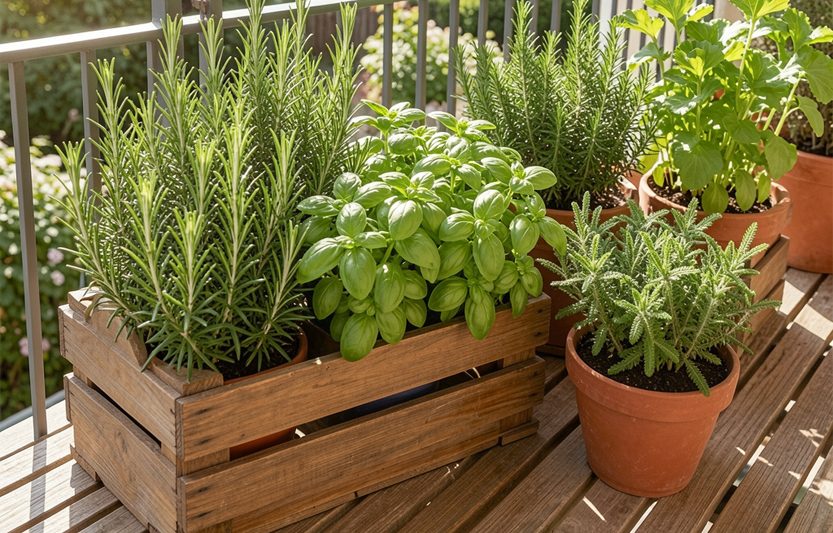

Spring is finally here — and it’s the perfect time to start your spring herb garden.
Whether you have a big backyard, a small balcony, or just a sunny windowsill, fresh herbs are one of the easiest things you can grow at home. In fact, they smell amazing, taste incredible, and save you money at the grocery store.
That’s why in this guide, you’ll find out the best herbs to grow in spring, plus simple tips on where and how to grow them — even in the smallest spaces.
This post contains affiliate links.
Best Herbs to Plant in Spring
April is one of the best months to start your herb garden. The soil is warming up, days are getting longer, and most herbs will thrive with very little effort. Here are the best herbs to get started with:
🌿 Basil
First up is basil — a spring favorite. In fact, it’s one of the fastest-growing herbs you can plant. It loves warmth and needs at least 6 hours of sunlight daily. Plus, it works great in pots, garden beds, and on windowsills.
🌿 Mint
Mint is one of the easiest herbs you can grow. It thrives in almost any condition and comes back year after year. However, there’s one important tip: grow mint in a container. Otherwise, it will spread fast and take over your garden.
🌿 Chives
Chives In addition, chives are a beginner’s best friend. They’re low-maintenance and come back every spring on their own. For example, you can snip them over baked potatoes, eggs, and creamy dips.
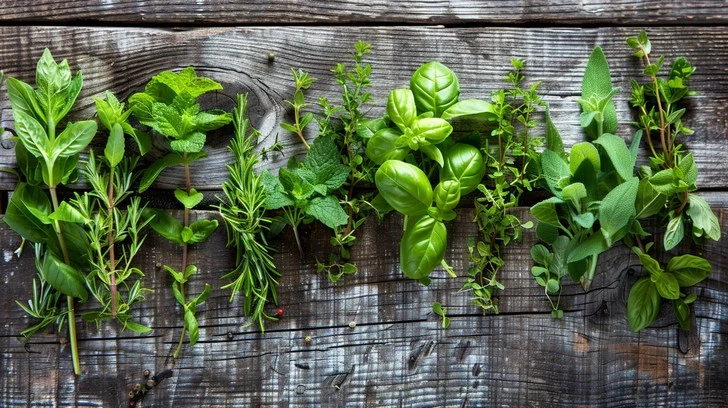
More Herbs Worth Growing This Spring
🌿 Parsley
Parsley is versatile and packed with nutrients. It grows well in pots or directly in the ground. Keep the soil moist and give it a mix of sun and partial shade. It’s slower to germinate than other herbs — so be patient!
🌿 Cilantro Cilantro loves cool spring temperatures, so plant it early in April. It grows quickly and is perfect for salsas, curries, and salads. Harvest regularly to prevent it from bolting in the heat.
🌿 Thyme Thyme is a hardy Mediterranean herb that needs very little water once established. It’s drought-resistant, loves full sun, and is perfect for roasted dishes, soups, and marinades.
🌿 Rosemary Rosemary is a fragrant, woody herb that thrives in warm, sunny spots. It’s perfect for roasted vegetables, chicken, and breads. Plant it in well-draining soil — it doesn’t like wet roots.
How to Start Herbs from Seed Indoors
Starting herbs from seed is easier than you think. In fact, it’s one of the most rewarding parts of gardening — and it saves you money compared to buying starter plants. Here’s how to do it in a few simple steps:
Step 1: Choose your seeds
First, pick 2-3 herbs you actually use in the kitchen. Basil, chives, and parsley are the easiest for beginners. You can buy them individually or grab a herb seed starter kit that includes everything in one box. [link]
Step 2: Fill your pots
Next, fill small pots or seed trays with well-draining potting mix. Make sure each pot has a drainage hole at the bottom. Otherwise, the roots will sit in water and rot.
Step 3: Plant your seeds
Simply press the seeds gently into the soil — most herb seeds only need to be covered with a thin layer of soil. Then water lightly and place the pots on a sunny windowsill.
Step 4: Be patient
Where to Grow Your Herbs
You don’t need a big garden to grow fresh herbs. In fact, there are great herb garden ideas for every small space — no matter where you live.
In the Garden
In the Garden First, if you have outdoor space, herbs love garden beds with well-draining soil. For example, Mediterranean herbs like rosemary, thyme, and oregano prefer drier conditions, while basil and parsley like more moisture.
On a Balcony or Small Patio
On a Balcony In addition, a balcony works perfectly for a container herb garden. However, make sure your containers have drainage holes. Also, place them where they get at least 6 hours of sunlight.
On a Windowsill Indoors
No outdoor space? No problem. A sunny south-facing windowsill works great for basil, chives, parsley, and mint. Simply use small pots with good drainage and water regularly. However, if your window doesn’t get enough light, moving your pots closer to the glass can make a big difference.
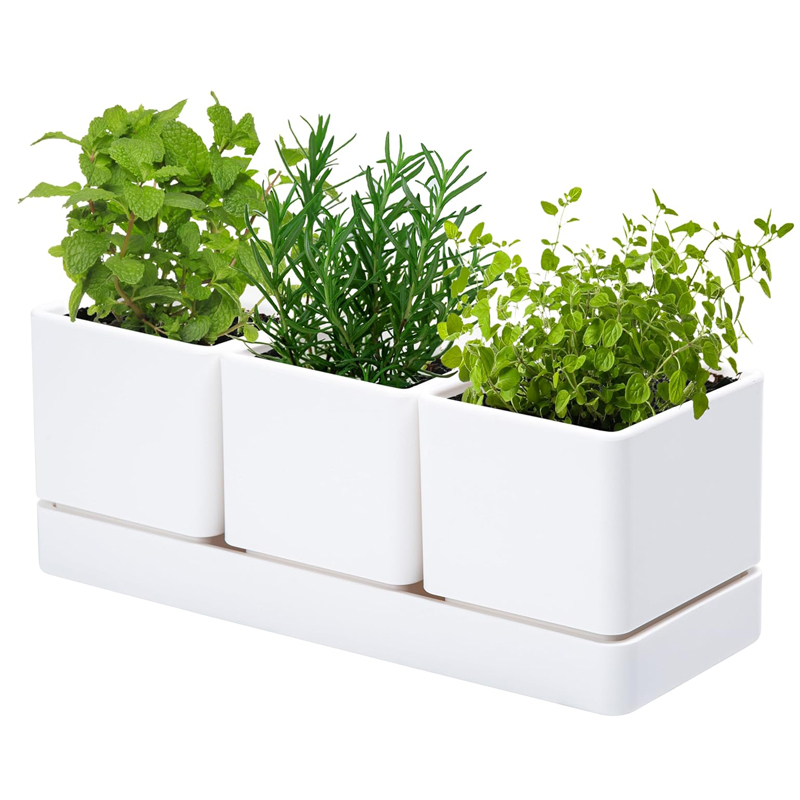
What You Need to Get Started
These are all you need to get started — perfect herbs for beginners who are just getting into gardening:
Herb seeds or starter plants [here]
Well-draining potting mix [here]
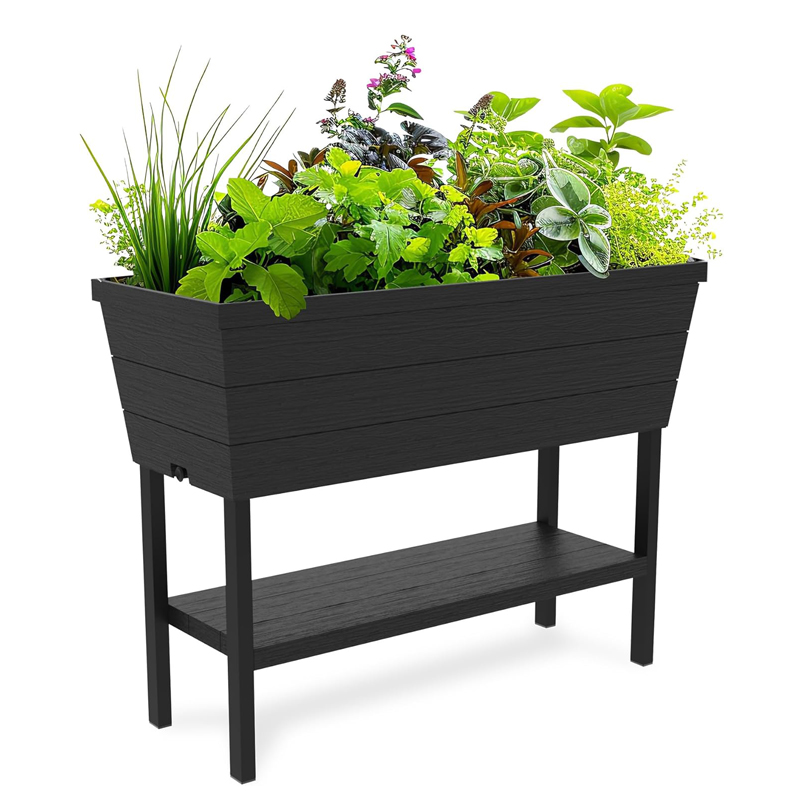
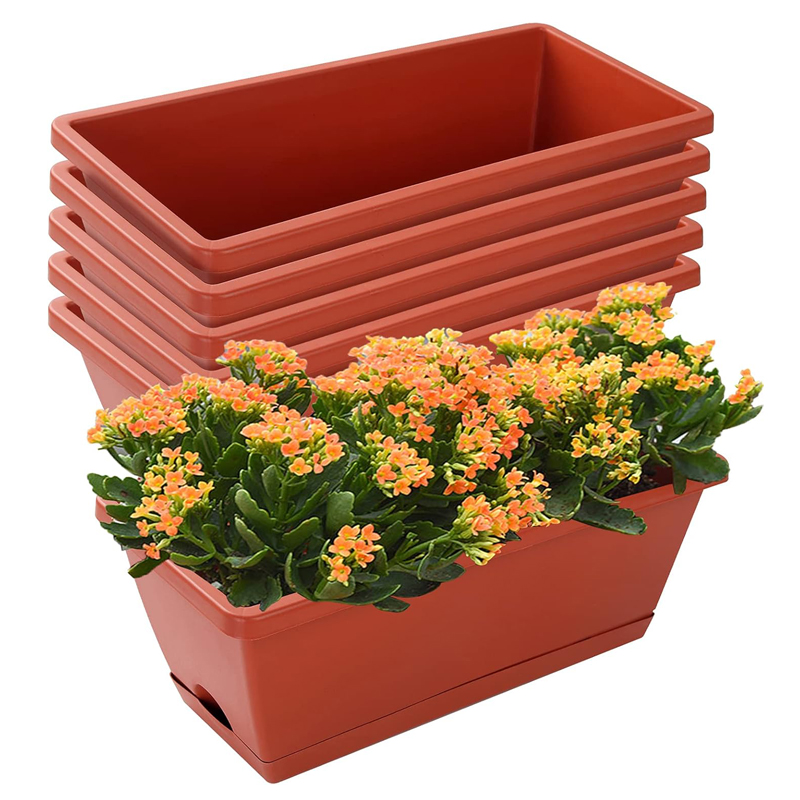
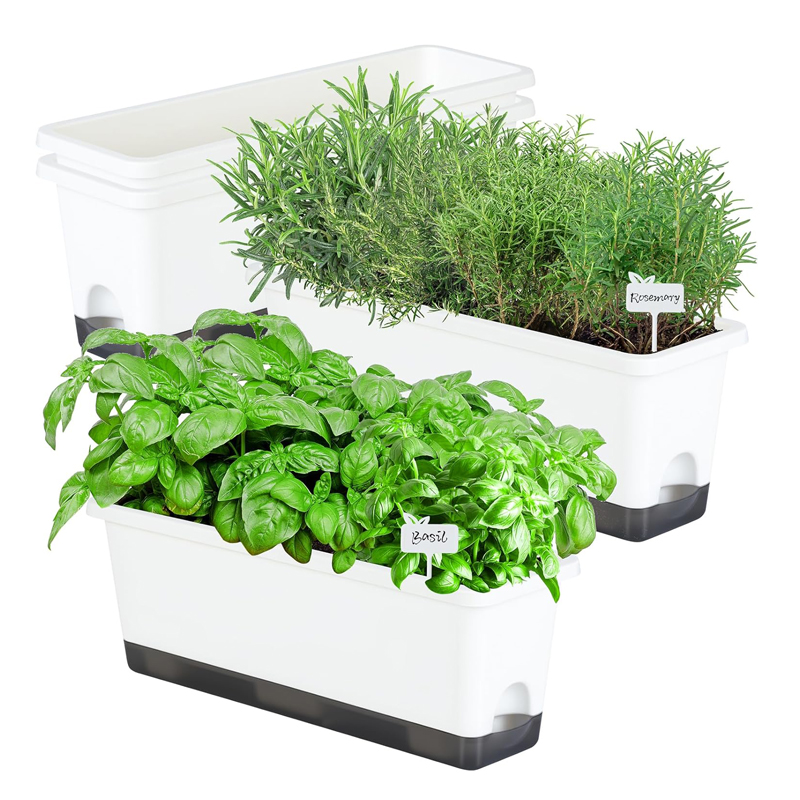
Small pots or a planter box [here]
A watering can [here is a vintage one]
Repotting herbs indoors can get messy. A plant repotting mat makes it so much easier — just lay it down, do your planting, and fold it up when you’re done. No soil on your floor or table! [here]
One of the best things about growing your own herbs is that you’re not just adding flavor to your meals — you’re adding nutrition too. Here’s why each of these spring herbs is worth having in your garden:
| Herb | Key health benefits | What it helps with | Best used for |
|---|---|---|---|
| 🌿 Basil | Rich in antioxidants, anti-inflammatory, contains vitamin K and iron | Supports heart health, reduces oxidative stress, may help lower blood sugar | Heart health, immunity, anti-inflammatory |
| 🌿 Mint | Soothes digestion, natural antibacterial, rich in vitamin A | Relieves bloating, freshens breath, eases headaches and nausea | Digestion, nausea relief, fresh breath |
| 🌿 Chives | High in vitamin C, K and folate, contains choline | Supports bone health, boosts immunity, may reduce cholesterol | Bone health, brain health, immunity |
| 🌿 Parsley | Very high in vitamin K, C and A, natural diuretic | Supports kidneys, strengthens bones, reduces inflammation | Kidney health, bone strength, detox |
| 🌿 Cilantro | Antimicrobial compounds, rich in vitamin C and K | Helps remove heavy metals, supports digestion, lowers anxiety | Detox, digestion, anxiety relief |
| 🌿 Thyme | Natural antiseptic, high in vitamin C, contains thymol | Supports respiratory health, fights bacteria and fungi | Respiratory, immunity, antibacterial |
| 🌿 Rosemary | Anti-inflammatory, rich in iron and calcium | Boosts brain function, supports hair growth, improves circulation | Brain & memory, hair growth, circulation |
Starting an herb garden this spring is one of the simplest and most satisfying things you can do. In fact, you don’t need much space or experience to get started. Simply begin with two or three herbs you actually cook with. Then expand from there as you get more comfortable.
Most importantly, enjoy the process — there’s nothing quite like snipping fresh herbs straight from your own garden!
Want to take your herb garden even further? These two Kindle reads are a great next step.
Sprouting Wisdom: Herb Gardening Made Simple is a beginner-friendly guide that covers everything from choosing the right herbs to keeping them thriving season after season. And if you’re curious about the medicinal side of what you’re growing, Rosemary Gladstar’s Medicinal Herbs: A Beginner’s Guide is one of the most trusted introductions to herbalism out there — written by one of the most respected names in the field.
Leave a Reply