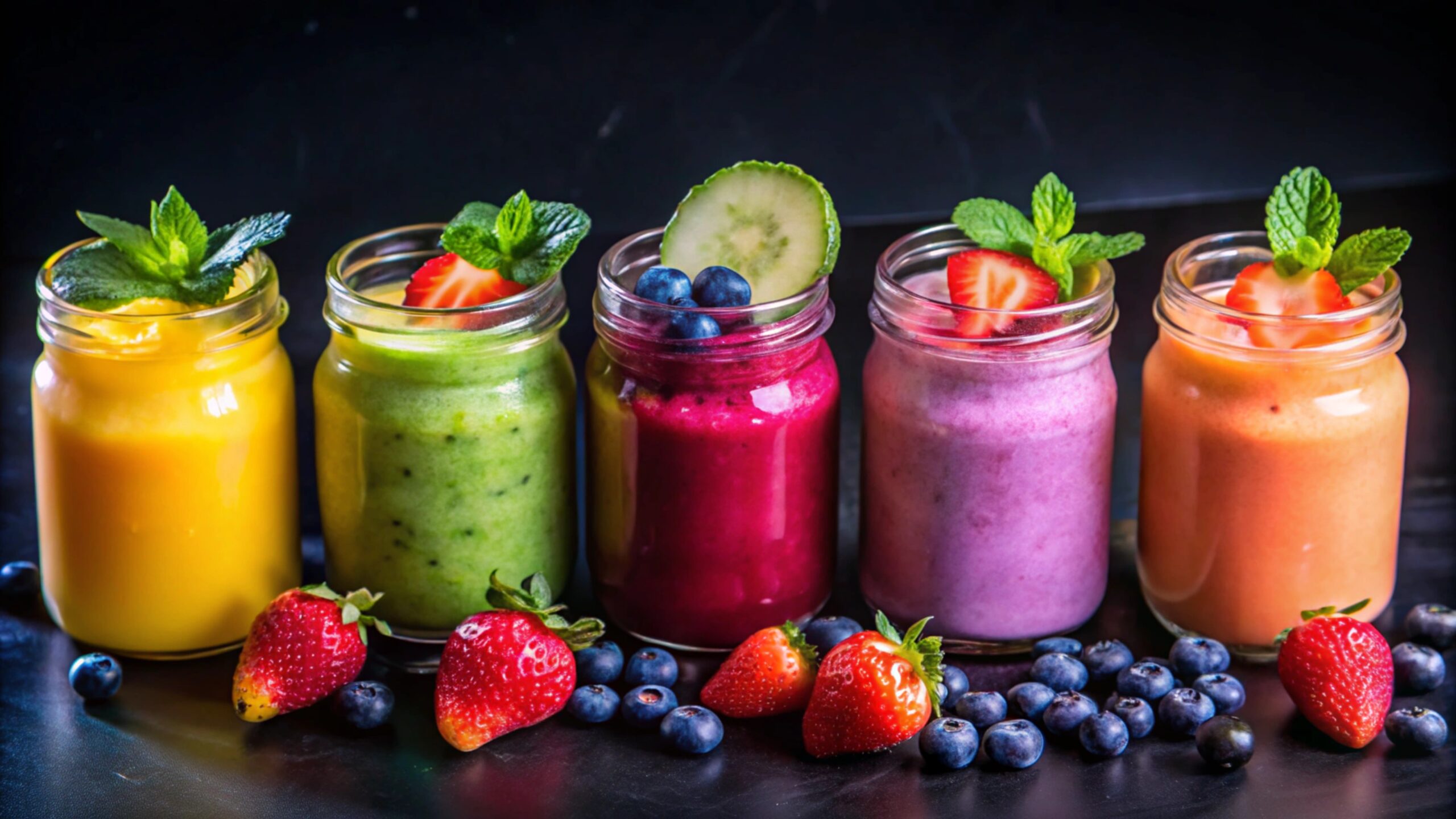

There are smoothie recipes for almost every goal, mood, and time of day — and knowing which category to reach for makes all the difference.
A green smoothie is a different experience from a tropical one. An oat smoothie does something a beauty blend doesn’t. And a smoothie bowl is a meal in a way that a drinkable smoothie often isn’t. This guide covers all five categories, with a featured recipe from each and a link to the full collection. Whether the goal is energy, skin, digestion, or just something that tastes great, there’s something here worth blending. This post contains affiliate links.
Green smoothie recipes
Green smoothies are built around leafy greens — spinach, kale, chard — blended with fruit until the greens are completely undetectable. That’s the trick, and it works remarkably well. The fruit provides the sweetness, while the greens quietly deliver fibre, vitamin K, magnesium, and iron. As a result, green smoothies are one of the most efficient ways to get a meaningful serving of vegetables first thing in the morning. They’re also surprisingly versatile — avocado makes them creamy, cucumber keeps them light, and citrus makes them bright.
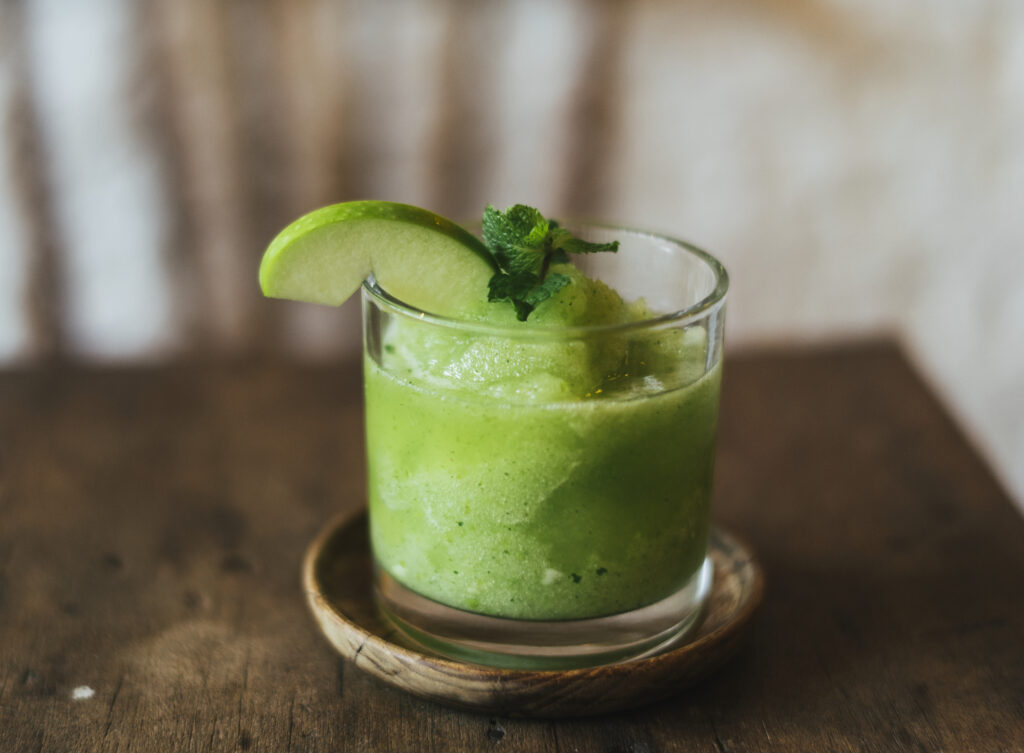
Classic green smoothie
Light, fresh, and packed with vitamins — banana and mango provide the sweetness, spinach and cucumber do the rest.
Ingredients
- 1 banana (~120 g)
- 1 handful spinach (~30 g)
- ½ cup mango (~80 g)
- ½ green apple (~90 g)
- ¼ cucumber (~60 g)
- 1 tsp ground flaxseed
- 150 ml water or almond milk
Estimated nutritional values (1 serving)
| Calories | Protein | Carbs | Fat | Fibre | Vitamin C | Vitamin K | |
|---|---|---|---|---|---|---|---|
| Amount | 230 kcal | 4 g | 52 g | 3 g | 7 g | 45 mg | 120 µg |
| % Daily value | 12% | 8% | 19% | 4% | 25% | 50% | 100% |
* Calculated with almond milk. Swap spinach for kale for a more intense flavour and higher iron content.
See all green smoothie recipes →
Tropical smoothie recipes
Tropical smoothies are built around fruits that grow in warm climates — mango, pineapple, banana, passion fruit, coconut. What makes them stand out, beyond the flavour, is their nutrient profile. Pineapple contains bromelain, an enzyme that supports digestion and reduces inflammation. Mango is one of the richest fruit sources of vitamin C and beta-carotene. Coconut water provides electrolytes. Together, they make for smoothie recipes that feel like a holiday and do something genuinely useful for the body. Moreover, the natural sugars in these fruits deliver a steady energy boost — without the crash that comes with refined sugar.
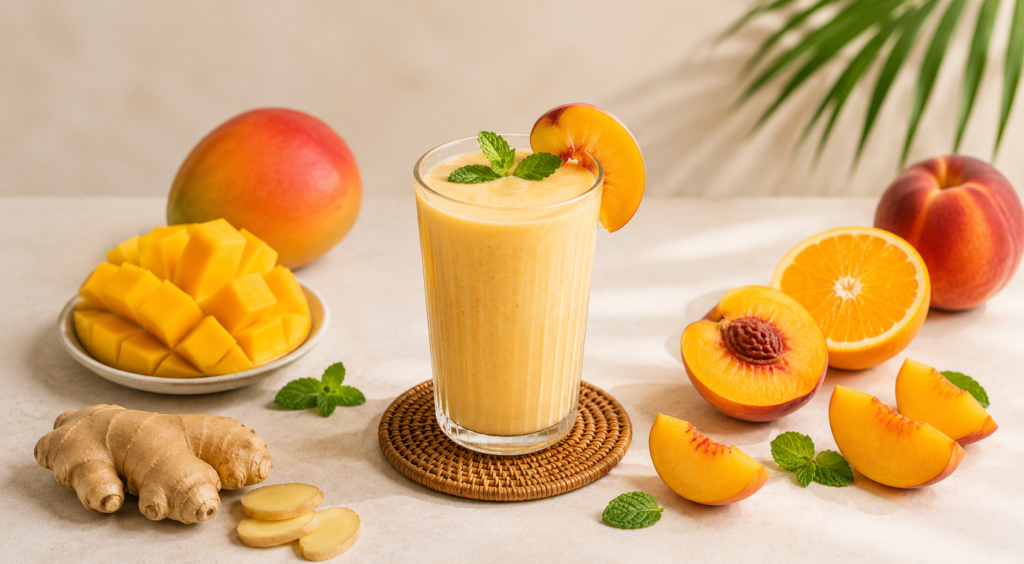
Peachy mango smoothie
Golden, warm, and anti-inflammatory — peach, mango, and orange juice with a gentle hint of turmeric and ginger.
Ingredients
- 1 cup peaches (~170 g)
- 1 cup mango chunks (~165 g)
- 1 banana (~120 g)
- 240 ml orange juice
- ¼ tsp ground turmeric
- ¼ tsp ground ginger
Estimated nutritional values (1 serving)
| Calories | Protein | Carbs | Fat | Fibre | Vitamin C | Vitamin A | |
|---|---|---|---|---|---|---|---|
| Amount | 330 kcal | 5 g | 80 g | 1 g | 8 g | 130 mg | 220 µg |
| % Daily value | 17% | 10% | 29% | 1% | 29% | 144% | 24% |
* High in natural sugars — works best as a pre-workout drink or morning breakfast.
See all tropical smoothie recipes →
Oat smoothie recipes
Oat smoothies are for mornings when a regular fruit blend just isn’t enough. The oats — specifically their beta-glucan fibre — slow digestion right down, which means you stay full well into the morning. They also add a natural creaminess that’s hard to replicate with anything else. In short, oat smoothie recipes are less of a drink and more of a proper breakfast in blended form. They work just as well with dairy milk as with oat, almond, or soy milk, and they’re easy to adapt with whatever fruit is in the freezer.
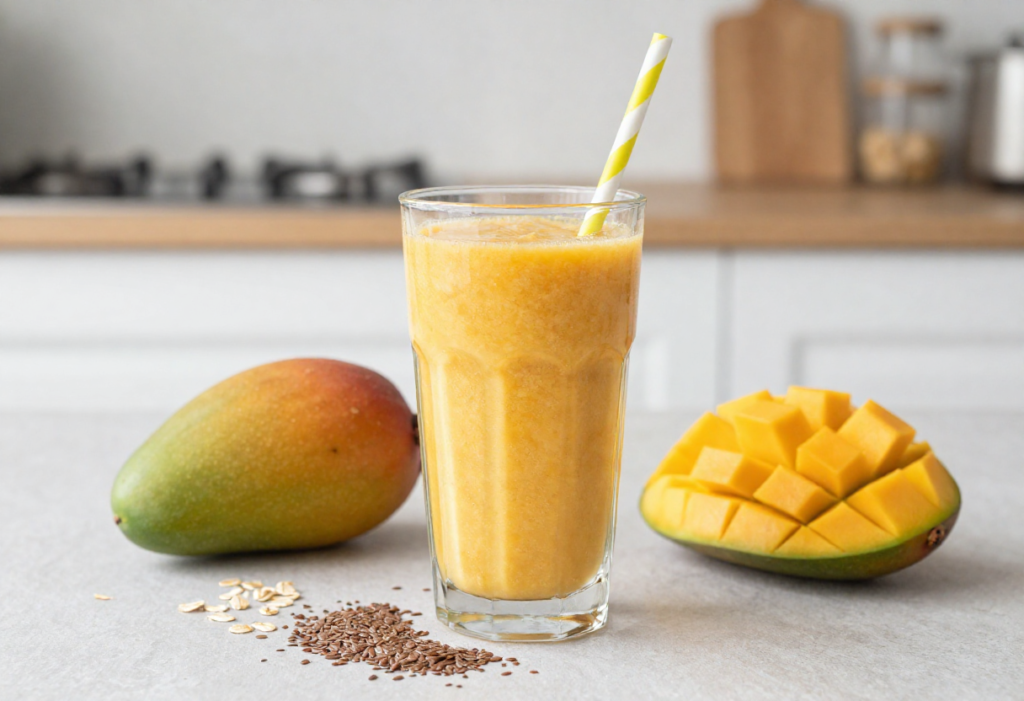
Mango oat smoothie
Light, tropical, and dairy-free — frozen mango and rolled oats with flaxseed and a splash of non-dairy milk.
Ingredients
- ¼ cup rolled oats (~25 g)
- 1½ cups frozen mango (~250 g)
- 2 cups non-dairy milk (~480 ml)
- 1½ tsp milled flaxseed or chia seeds
- 1 tsp maple syrup
- ¼ tsp vanilla extract (optional)
Estimated nutritional values (1 serving)
| Calories | Protein | Carbs | Fat | Fibre | Vitamin C | Vitamin A | |
|---|---|---|---|---|---|---|---|
| Amount | 380 kcal | 8 g | 68 g | 9 g | 7 g | 55 mg | 180 µg |
| % Daily value | 19% | 16% | 25% | 12% | 25% | 61% | 20% |
* Calculated with unsweetened almond milk. Values vary depending on the non-dairy milk used.
See all oat smoothie recipes →
Smoothie bowl recipes
A smoothie bowl starts with the same idea as a drinkable smoothie — blended fruit, a creamy base — but with far less liquid, so the result is thick enough to eat with a spoon. That change in texture makes a real difference. Eating something is more satisfying than drinking it, and the toppings — granola, fresh fruit, seeds, nut butter, coconut flakes — add crunch, protein, and healthy fats that round it out into a complete meal. Smoothie bowl recipes are also the most visually striking of the bunch, which makes them particularly well suited to photographing and pinning.
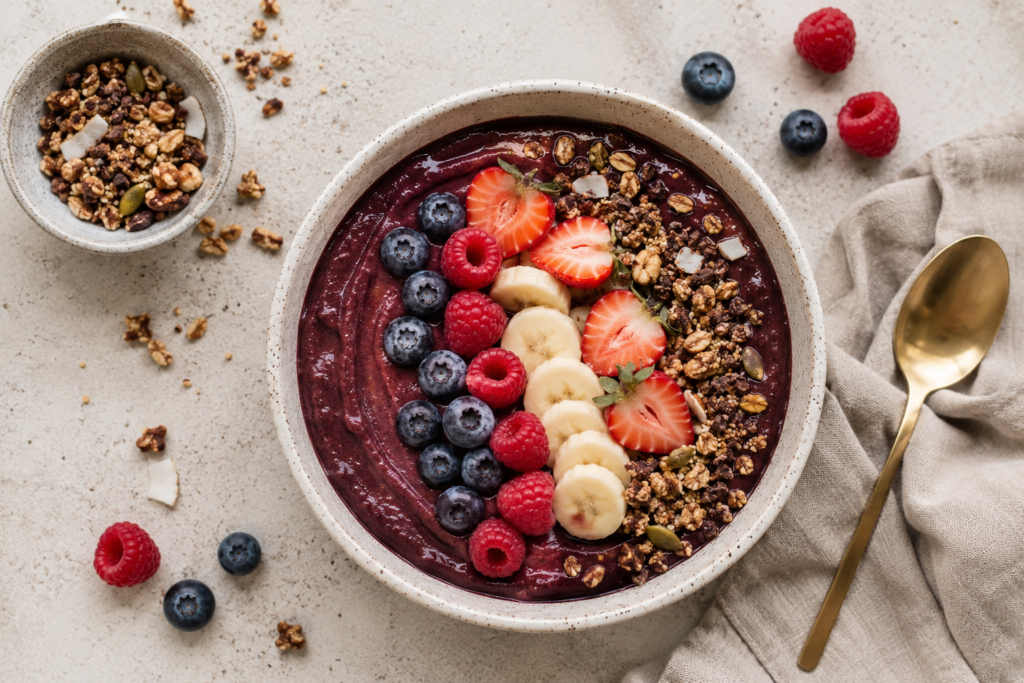
Acai smoothie bowl
Rich, deeply purple, and packed with antioxidants — acai, berries, and banana with fresh fruit and granola on top.
Ingredients
- 2 frozen acai puree packets (~170 g)
- 1 banana (~120 g)
- 2 cups frozen strawberries (~300 g)
- 1 cup frozen blueberries (~150 g)
- 2 cups almond milk (~480 ml)
- 3–4 pitted dates (~30 g)
- 1 tbsp honey (optional)
- Toppings
½ cup fresh strawberries, sliced
½ banana, sliced
2–3 dates
2 tbsp granola
Estimated nutritional values (1 serving)
| Calories | Protein | Carbs | Fat | Fibre | Vitamin C | Antioxidants | |
|---|---|---|---|---|---|---|---|
| Amount | 320 kcal | 5 g | 62 g | 8 g | 11 g | 80 mg | very high |
| % Daily value | 16% | 10% | 23% | 10% | 39% | 89% | — |
* Toppings not included. Acai antioxidant content is exceptionally high but has no standardised daily value.
See all smoothie bowl recipes →
Beauty smoothie recipes
Beauty smoothies are built around ingredients that support skin health from the inside. Collagen peptides, vitamin C, antioxidants, probiotics, healthy fats — each one plays a specific role. Collagen keeps skin firm and elastic, but the body produces less of it from around age 25 onwards. So adding it to a daily smoothie is one of the more practical ways to compensate. Meanwhile, vitamin C from fruit like strawberries and pineapple is essential for collagen synthesis, which means the two work together rather than separately. The results build gradually over time — most people notice a difference in skin elasticity after four to twelve weeks of consistency.
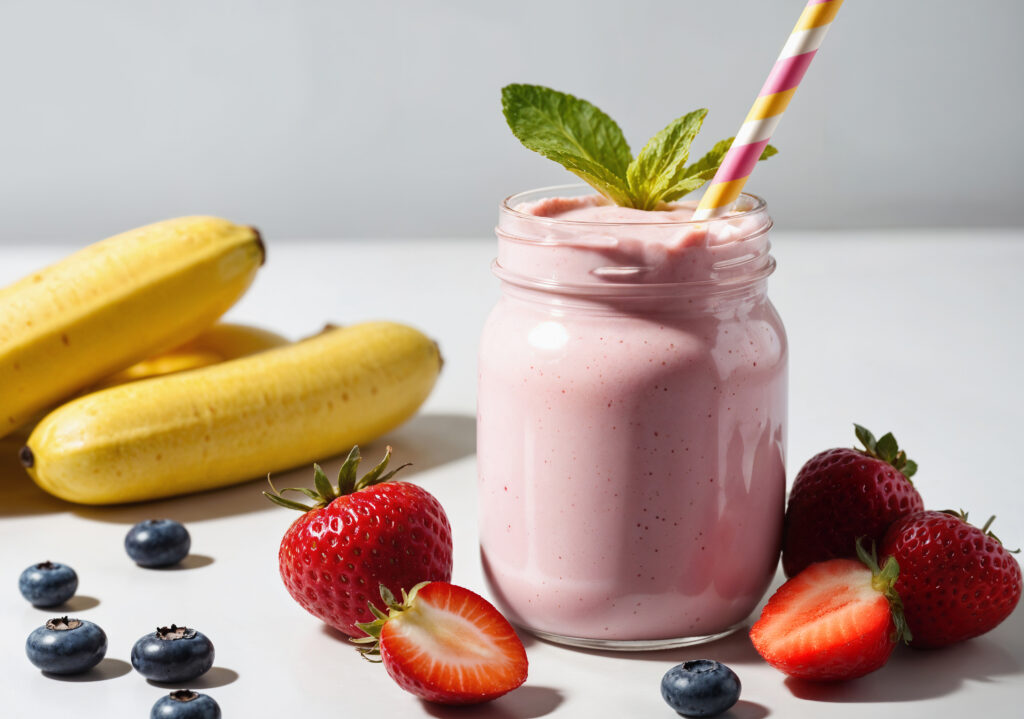
Strawberry collagen smoothie
Bright, tropical, and packed with vitamin C — strawberries, pineapple, mango, and banana with collagen peptides.
Ingredients
- 1 cup strawberries, fresh or frozen
- 1 cup frozen pineapple chunks
- ½ cup frozen mango chunks
- 1 banana
- 1–2 scoops collagen protein powder
- 1 cup almond milk
Estimated nutritional values (1 serving)
| Calories | Protein | Carbs | Fat | Fibre | Vitamin C | Collagen | |
|---|---|---|---|---|---|---|---|
| Amount | 370 kcal | 22 g | 65 g | 4 g | 7 g | 110 mg | ~10 g |
| % Daily value | 19% | 44% | 24% | 5% | 25% | 122% | — |
* Calculated with 1 scoop (~10 g) unflavoured collagen peptides. No standardised daily value exists for collagen.
See all beauty smoothie recipes →
Which smoothie recipes should you start with?
That depends entirely on what’s needed. For a quick, nutrient-dense morning drink, green smoothie recipes are hard to beat — light, fast, and genuinely good for you. Oat smoothie recipes are the better choice when hunger needs to stay away all morning. Tropical smoothie recipes deliver on flavour and vitamins in equal measure. Beauty smoothie recipes are worth building into a daily routine for anyone focused on skin health over time. And smoothie bowl recipes are in a category of their own — something that looks as good as it tastes.
All five collections are linked above. Pick one, try a recipe, and see what fits. The blender does most of the work.
If you want to go deeper into smoothie making, these Kindle reads are worth exploring.
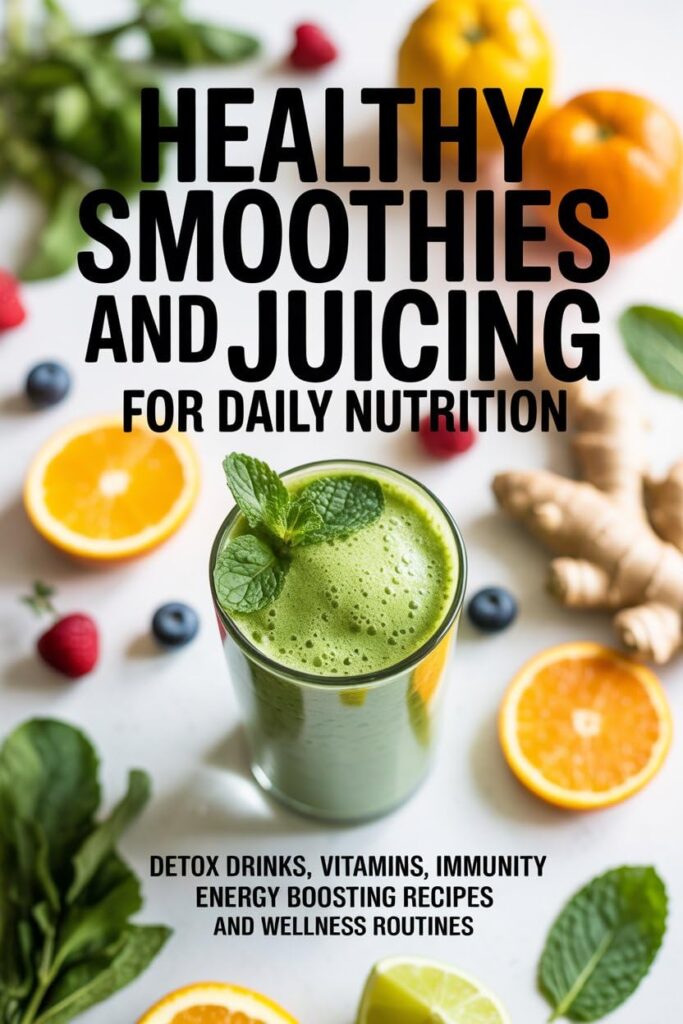
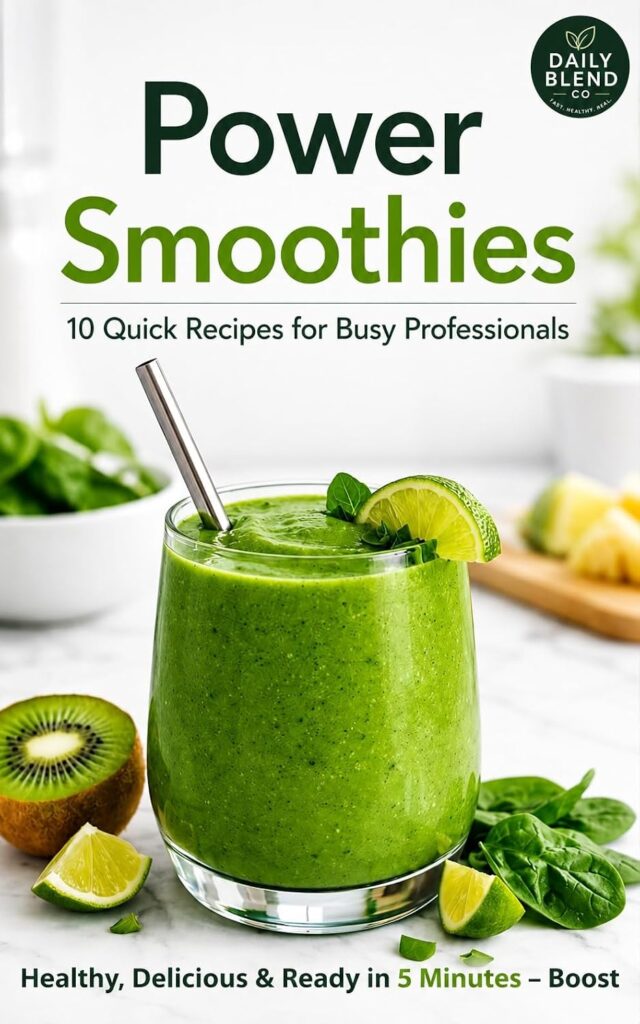
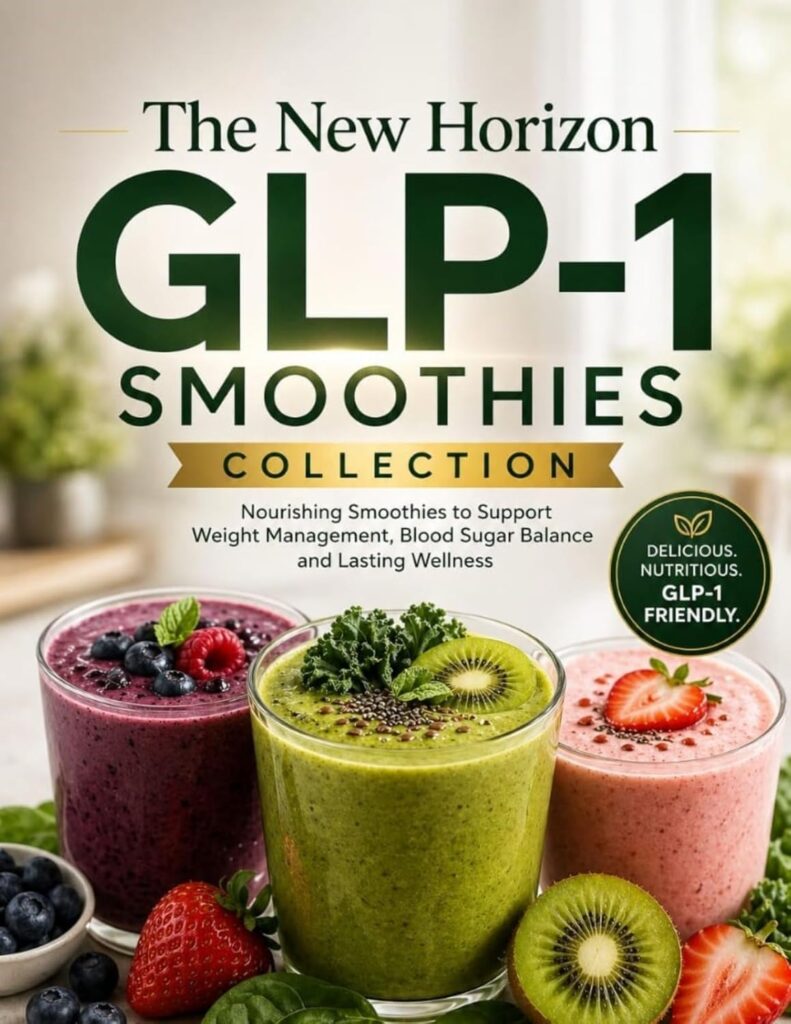
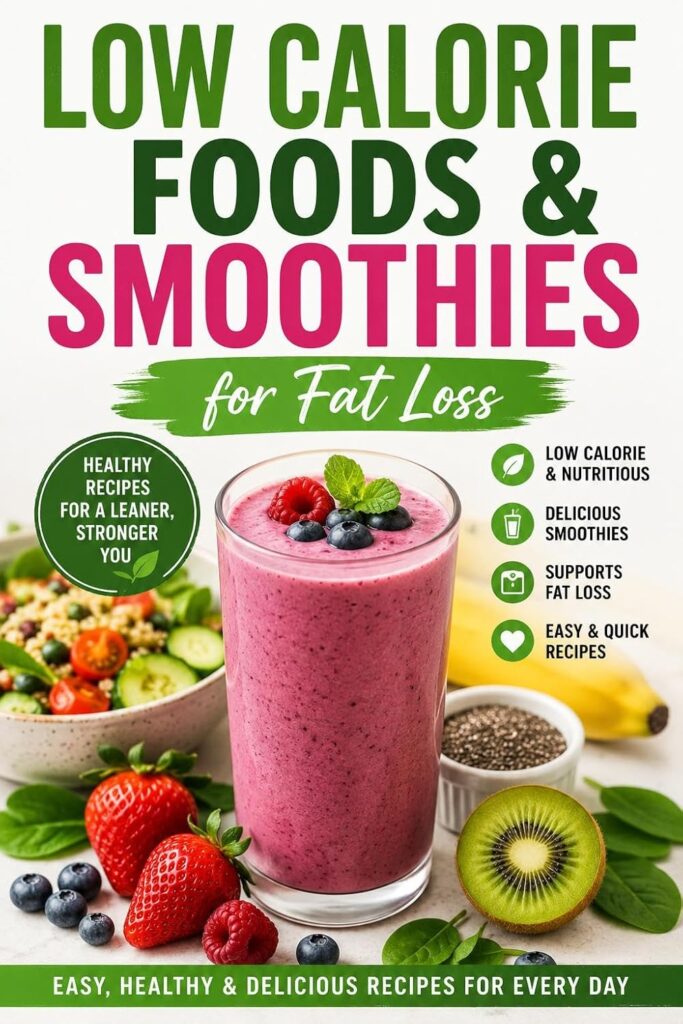
Low Calorie Foods & Smoothies for Fat Loss focuses on using blends strategically for weight management — a practical companion to the fat-burning smoothie category. The New Horizon GLP-1 Smoothie Collection takes a high-protein approach, with recipes designed around satiety and metabolic support. For a broader perspective, Healthy Smoothies and Juicing for Daily Nutrition covers detox drinks, immunity-boosting recipes, and everyday wellness routines in one place. And Power Smoothies: 10 Quick Recipes for Busy Professionals is a short, focused read for anyone who needs energy-boosting blends without spending time in the kitchen.
Leave a Reply