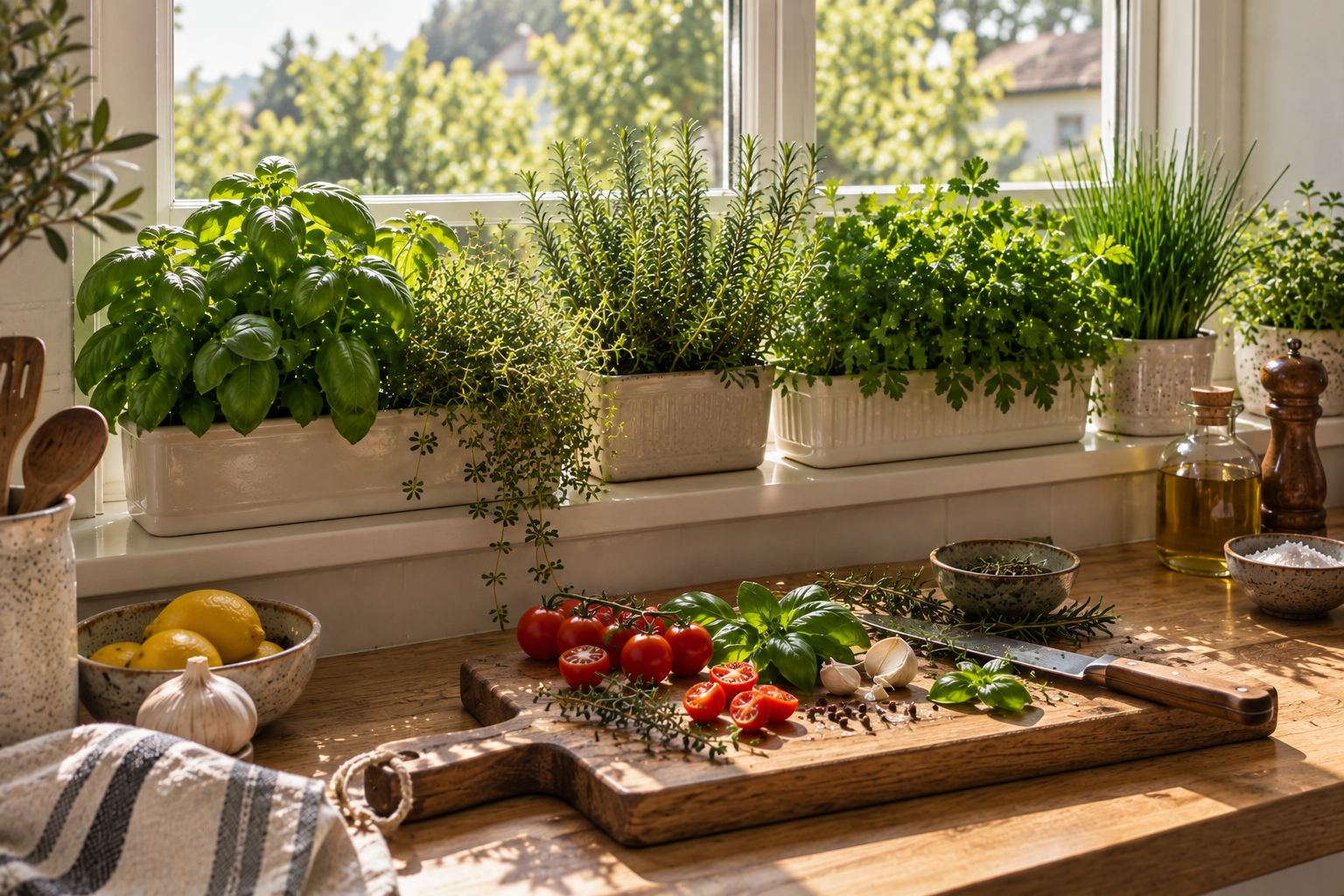

Every great dish starts somewhere. And more often than not, it starts with herbs. Common culinary herbs are the foundation of almost every cuisine in the world — from Italian basil and French thyme to Mexican cilantro and Middle Eastern parsley. But beyond flavor, herbs are genuinely nutritious. Many of them are rich in vitamins, antioxidants, and anti-inflammatory compounds that make them worth adding to meals for reasons well beyond taste. So this guide covers the most useful culinary herbs — what they taste like, what is in them, and exactly what to cook with them. This post contains affiliate links. At the end of this post you will also find a summary table with all the flavor profiles, cooking uses, and key nutritional benefits in one place — worth bookmarking for quick reference in the kitchen.
Basil
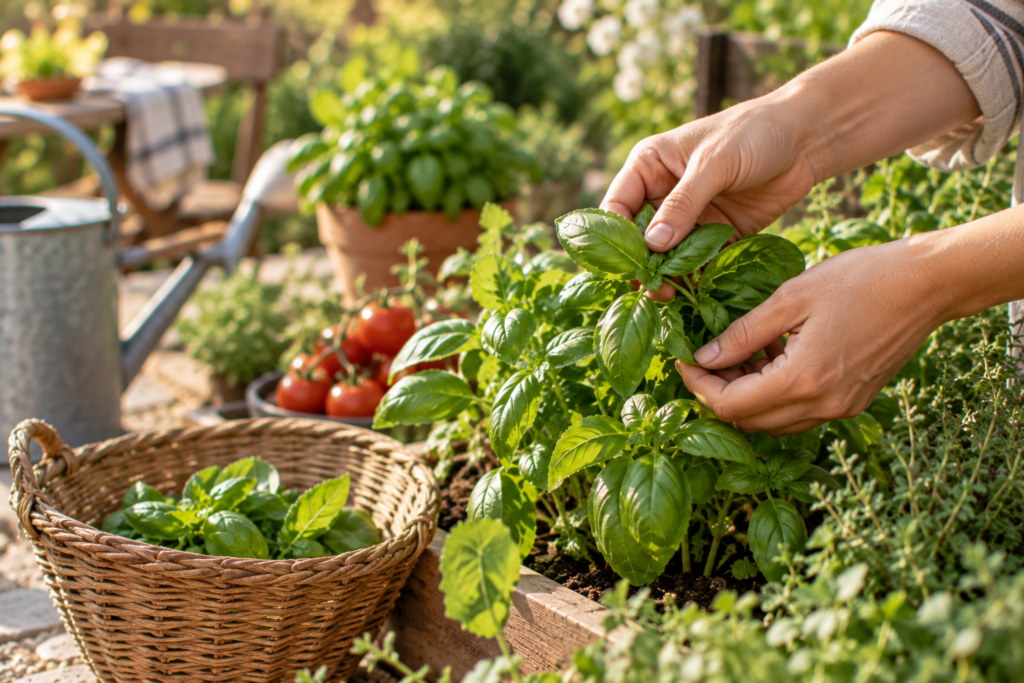
Basil is one of the most beloved common culinary herbs in the world — and for very good reason. It has a sweet, slightly peppery flavor with hints of clove and anise. Also, it is intensely aromatic, which is why adding it to a dish transforms the whole thing almost instantly. Fresh basil in particular loses its flavor quickly when cooked, so it is best added at the very end — or used raw.
Nutritional benefits: Basil is rich in vitamin K, which supports bone health and blood clotting. It also contains vitamin A, vitamin C, iron, and calcium. Plus, it is high in antioxidants including beta-carotene and lutein, and has anti-inflammatory properties linked to its eugenol content.
Best used in: Pasta sauces, pizza, Caprese salad, pesto, bruschetta, soups, marinades, and any tomato-based dish. Also wonderful in summer salads, with mozzarella, and stirred into risotto at the end of cooking.
Parsley
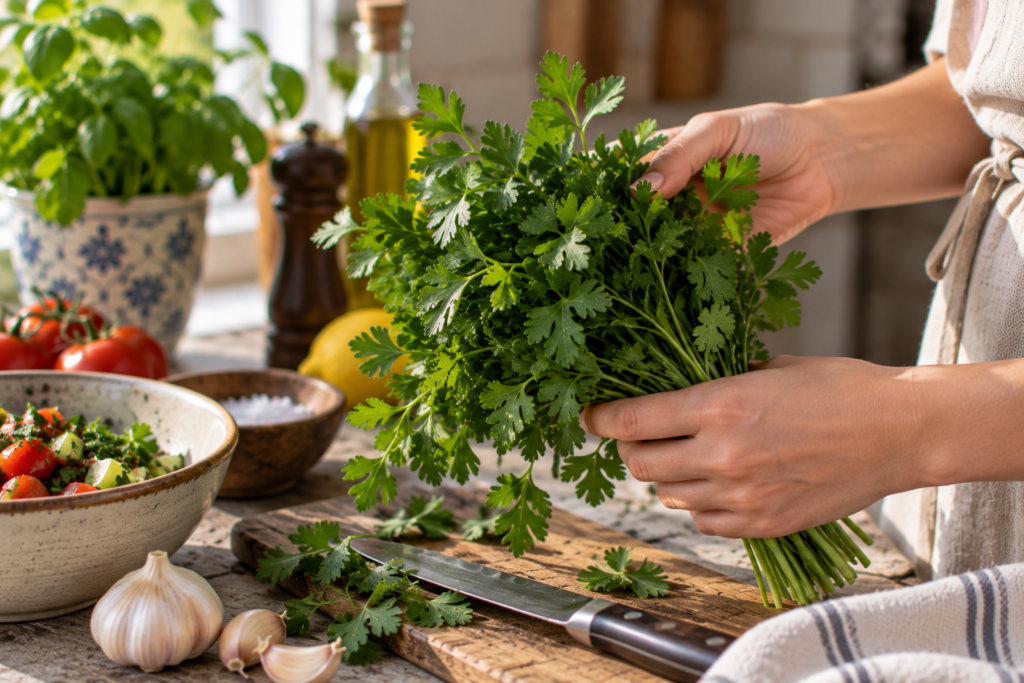
Parsley is one of those common culinary herbs that gets taken for granted — but it genuinely elevates everything it touches. It has a clean, slightly grassy, mildly bitter flavor that brightens other ingredients rather than overpowering them. So it works as both a cooking ingredient and a finishing garnish. Flat-leaf parsley has a stronger flavor than curly parsley and is generally preferred for cooking.
Nutritional benefits: Parsley is extraordinarily rich in vitamin K — a single tablespoon provides more than the daily recommended intake. It is also high in vitamin C, vitamin A, folate, and iron. Plus, it contains flavonoids like luteolin and apigenin, which have antioxidant and anti-inflammatory effects. Also, it acts as a natural diuretic and supports kidney health.
Best used in: Tabbouleh, chimichurri, gremolata, pasta, soups, stews, roasted vegetables, potato dishes, seafood, and egg dishes. Also essential in Mediterranean and Middle Eastern cooking. Stir it in at the very end for maximum freshness.
Cilantro
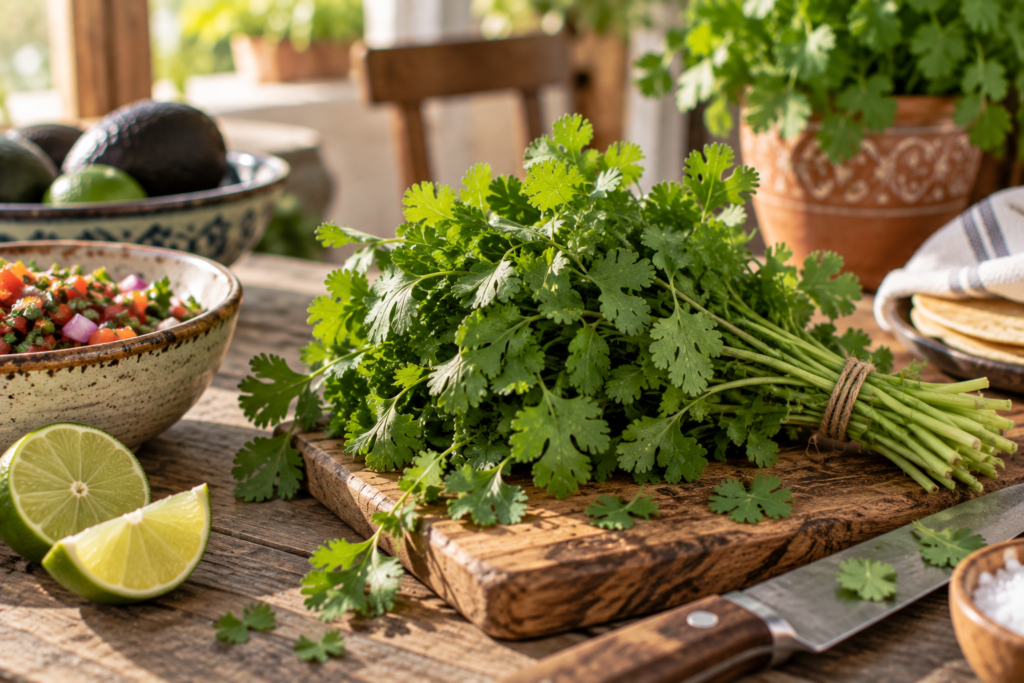
Cilantro — also known as coriander leaf — is one of the most polarizing common culinary herbs. People tend to either love it or find it tastes soapy, which is actually a genetic trait. But for those who enjoy it, it adds a bright, citrusy, slightly pungent freshness that is unlike anything else. Also, the seeds of the coriander plant are a separate spice with a completely different flavor.
Nutritional benefits: Cilantro is a good source of vitamin K, vitamin C, vitamin A, and folate. It also contains antioxidants and has been studied for its ability to help the body eliminate heavy metals. Plus, it has antimicrobial properties and may support digestion and reduce anxiety.
Best used in: Mexican and Tex-Mex dishes including tacos, salsas, guacamole, and burrito bowls. Also essential in Indian curries, Thai dishes, Vietnamese pho, and Middle Eastern cooking. Use it raw and add at the very end of cooking for the best flavor.
If you are looking for a recipe where cilantro really gets to shine, these bean burrito recipes are a great place to start — fresh cilantro is added at the very end and makes the whole dish come alive.
Thyme
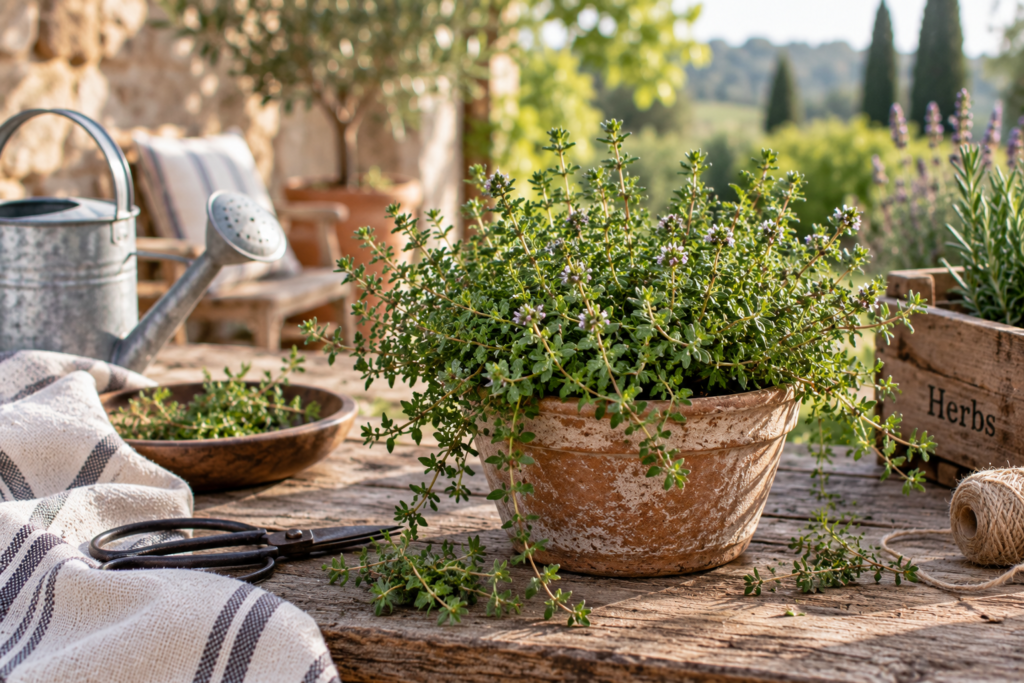
Thyme is a small but mighty herb — one of the most versatile common culinary herbs in the kitchen. It has an earthy, slightly floral, woodsy flavor with hints of mint and lemon. Also, unlike more delicate herbs, thyme holds up well to long cooking times. So it works beautifully in slow-cooked dishes, roasts, and braises where it has time to infuse deeply into the food.
Nutritional benefits: Thyme is particularly high in vitamin C and vitamin A. It also contains iron, manganese, and calcium. Plus, it has significant antimicrobial properties thanks to its thymol content — which is also used in natural antiseptics. It supports respiratory health and has antifungal and antibacterial effects.
Best used in: Roasted chicken, lamb, beef, and pork. Also wonderful in soups, stews, stocks, tomato sauce, potato dishes, mushrooms, and eggs. In French cooking, thyme is one of the classic bouquet garni herbs — added to the pot and removed before serving.
Rosemary
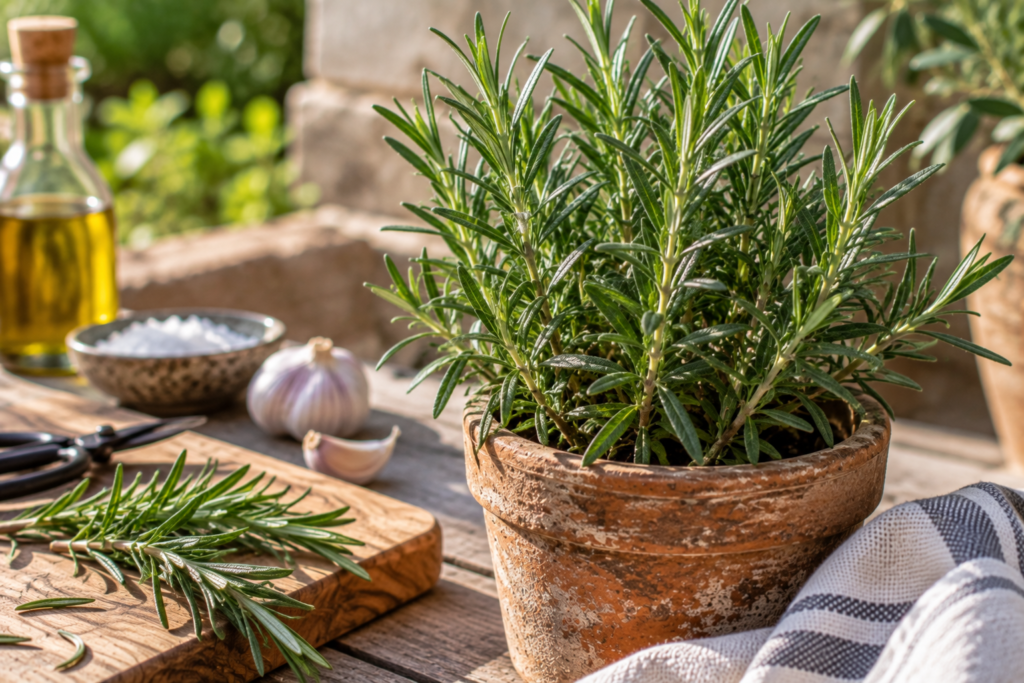
Rosemary is one of the most distinctive common culinary herbs — and once you smell it, you never forget it. It has a strong, piney, resinous aroma with a slightly bitter flavor. It is a robust herb that stands up to high heat and long cooking times without losing its character. So it is a natural partner for roasting and grilling.
Nutritional benefits: Rosemary is a good source of iron, calcium, and vitamin B6. It also contains significant amounts of antioxidants including rosmarinic acid and carnosic acid. Plus, it has anti-inflammatory properties and has been studied for its potential to support memory, brain function, circulation, and even hair growth.
Best used in: Roasted lamb, chicken, potatoes, and root vegetables. Also wonderful in focaccia, bread, olive oil infusions, pasta, bean dishes, and marinades. A few sprigs in the roasting pan with garlic and olive oil is one of the simplest and most satisfying uses of rosemary there is.
Mint
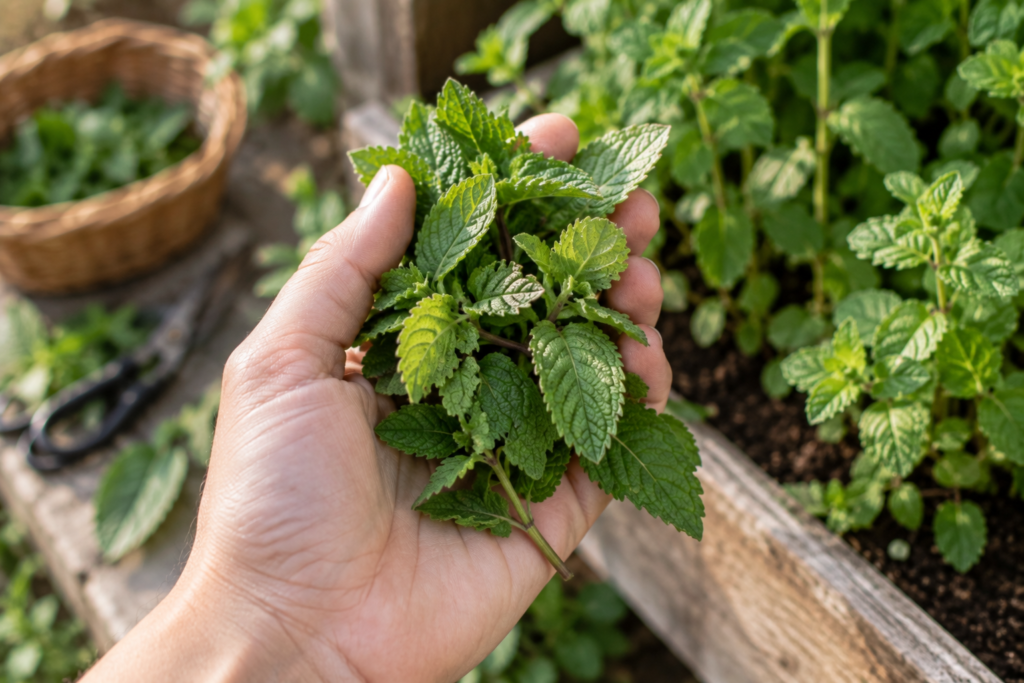
Mint is one of those common culinary herbs that works in both sweet and savory contexts — and that versatility makes it genuinely special. It has a cool, refreshing, slightly sweet flavor thanks to its menthol content. Also, it is one of the easiest herbs to grow at home, which means fresh mint is almost always available.
Nutritional benefits: Mint is a good source of vitamin A and has antioxidant properties. It is particularly well-studied for its digestive benefits — it soothes the stomach, relieves bloating, and eases nausea. Also, it has antibacterial properties and may help relieve headaches and improve focus.
Best used in: Greek dishes including lamb and tzatziki, Middle Eastern salads like tabbouleh, Southeast Asian dishes, summer rolls, and fruit salads. Also wonderful in cocktails, lemonade, iced tea, and desserts. In British cooking, mint sauce is a classic accompaniment to roast lamb.
Oregano
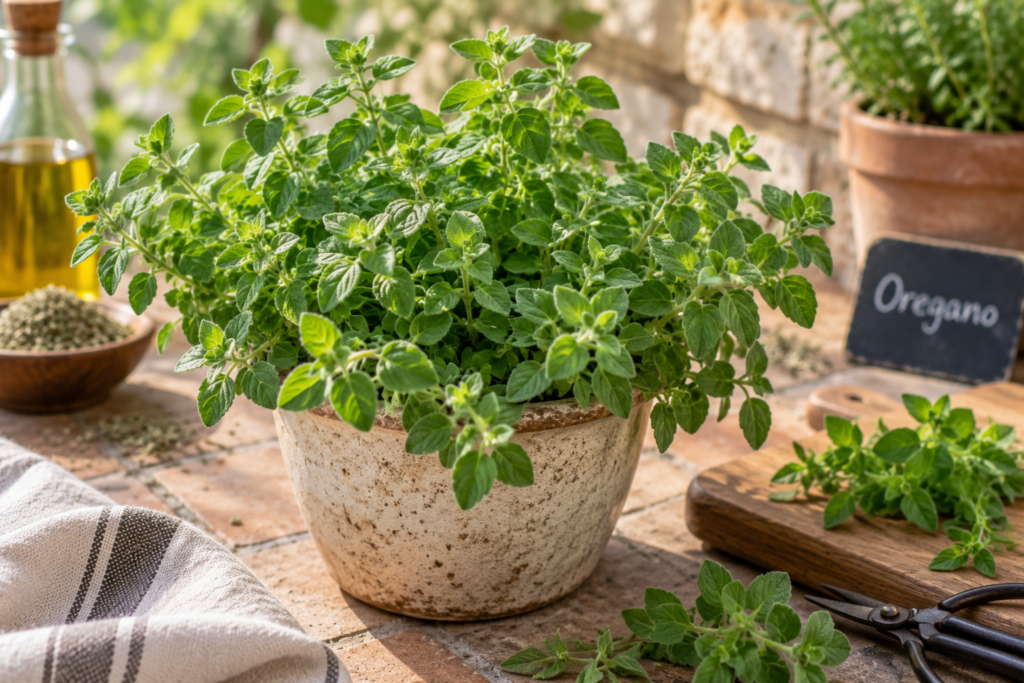
Oregano is bold, peppery, and slightly bitter — one of the most intensely flavored common culinary herbs. It is stronger dried than fresh, which is unusual among herbs. So for most cooking applications, dried oregano actually works better. It is a cornerstone of Mediterranean cooking and has a robust flavor that holds up to strong ingredients like tomatoes, garlic, and red wine.
Nutritional benefits: Oregano is remarkably rich in antioxidants — more than many fruits and vegetables. It is a good source of vitamin K, iron, manganese, and calcium. Also, it contains carvacrol and thymol, which have powerful antimicrobial and antifungal properties. It supports immune health and has anti-inflammatory effects.
Best used in: Pizza, pasta sauce, Greek salad, moussaka, and any tomato-based dish. Also wonderful in marinades for grilled meats, roasted vegetables, bean dishes, and souvlaki. In Italian and Greek cooking, oregano is almost always present — often dried rather than fresh.
Sage
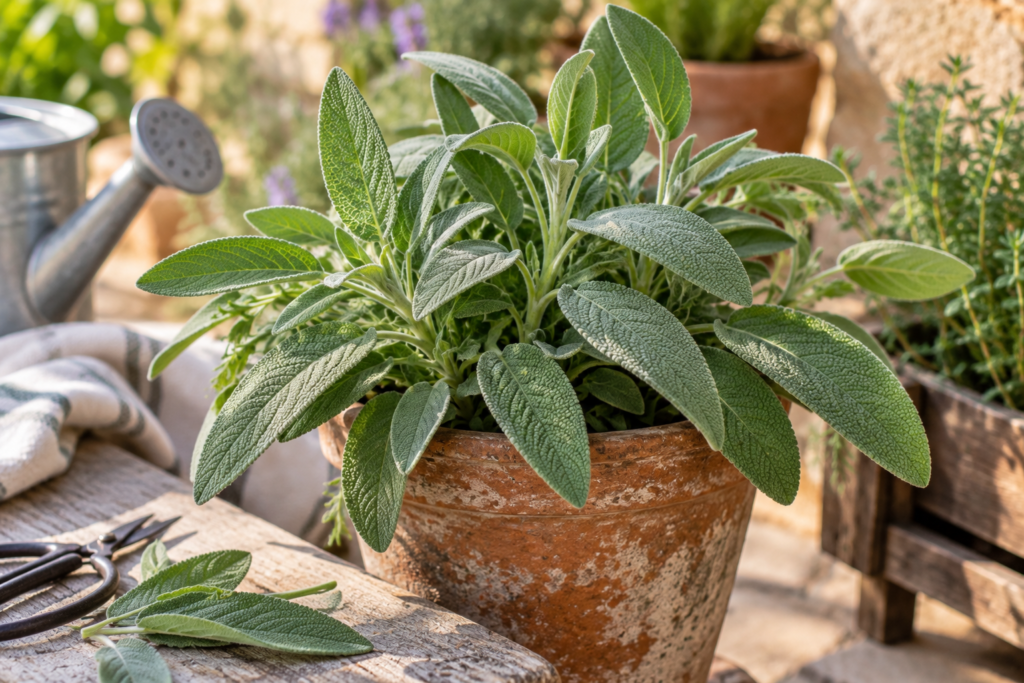
Sage is one of the more underrated common culinary herbs — earthy, slightly peppery, and deeply savory. It has a somewhat musky quality that becomes warm and nutty when cooked in butter. Also, it is a strong herb, so a little goes a long way. But when used well, it adds a depth of flavor that is hard to replicate with anything else.
Nutritional benefits: Sage is rich in vitamin K and vitamin B6. It also contains significant amounts of antioxidants and anti-inflammatory compounds. Plus, it has been studied for its potential to support memory and cognitive function, reduce hot flashes, and improve blood sugar regulation. It also has antimicrobial properties.
Best used in: Brown butter sauce with pasta, gnocchi, and ravioli. Also wonderful with pork, chicken, turkey, stuffing, risotto, and bean soups. In Italian cooking, sage and brown butter is one of the most classic and simple pasta sauces — and it showcases the herb at its very best.
Chives
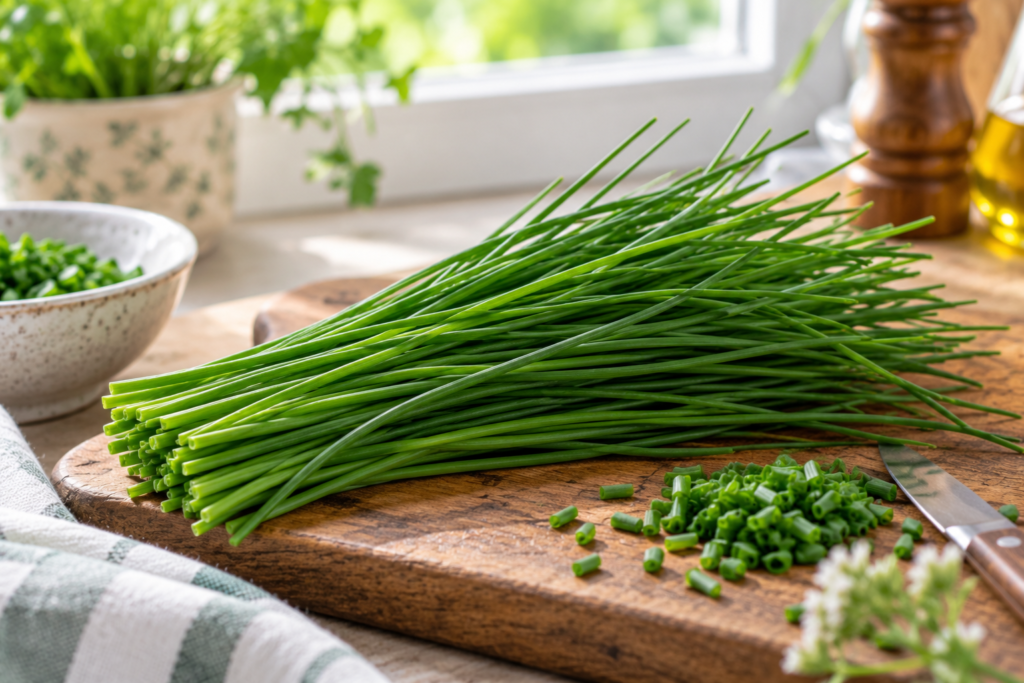
Chives are the mildest of all the common culinary herbs in the onion family — delicate, slightly sweet, and grassy. They have a gentle onion flavor that does not overpower. Also, they are almost always used raw, because heat destroys their flavor almost immediately. So they are a finishing herb — snipped over a dish at the very last moment.
Nutritional benefits: Chives are a good source of vitamin K, vitamin C, and folate. They also contain choline, which supports brain health. Plus, like other alliums, they have compounds that support heart health and may help reduce cholesterol. They also contain lutein and zeaxanthin, which are important for eye health.
Best used in: Baked potatoes, scrambled eggs, omelets, cream cheese, sour cream dips, potato salad, soups, and any dish that benefits from a gentle onion note without raw onion sharpness. Also wonderful as a garnish on deviled eggs, avocado toast, and salads.
Dill
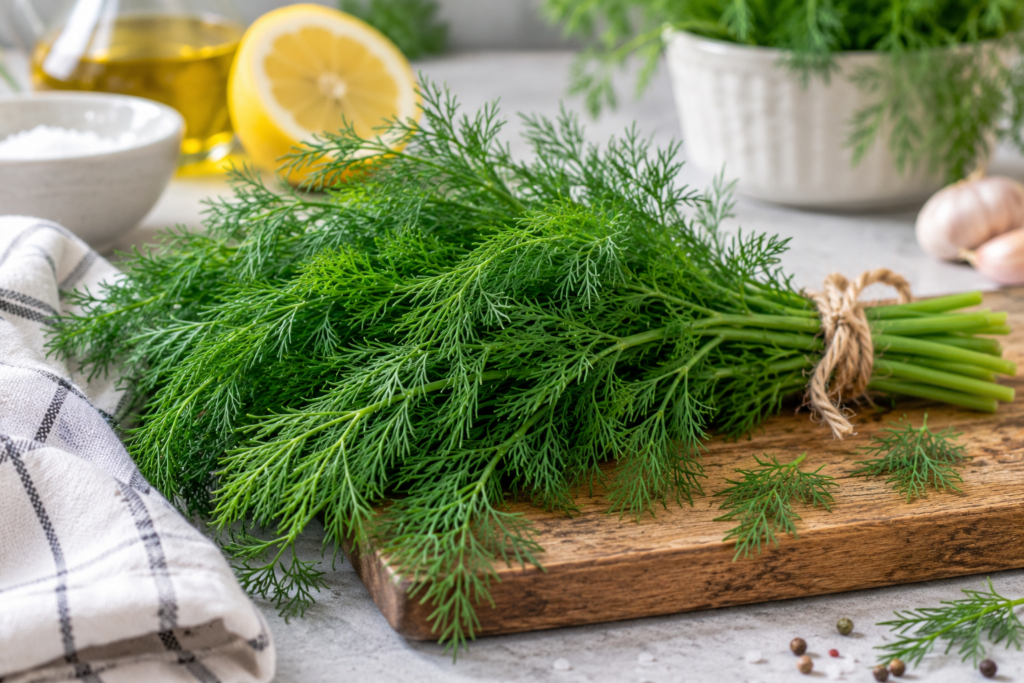
Dill has a distinctive anise-like, slightly grassy flavor that is immediately recognizable. It is one of those common culinary herbs that is essential in certain cuisines — particularly Scandinavian, Eastern European, and Middle Eastern — and relatively underused in others. Also, like chives, fresh dill loses its flavor quickly when cooked. So it is best added at the end of cooking or used raw.
Nutritional benefits: Dill is a good source of vitamin C, vitamin A, and manganese. It also has antioxidant properties and may help regulate blood sugar. Plus, it has antimicrobial properties and has traditionally been used to support digestion and relieve gas and bloating.
Best used in: Salmon and other fish dishes, tzatziki, potato salad, cucumber salad, pickles, and Scandinavian gravlax. Also wonderful in creamy sauces, egg dishes, borscht, and cabbage dishes. In Eastern European cooking, dill is used generously and frequently — far more so than in most Western cuisines.
Tarragon
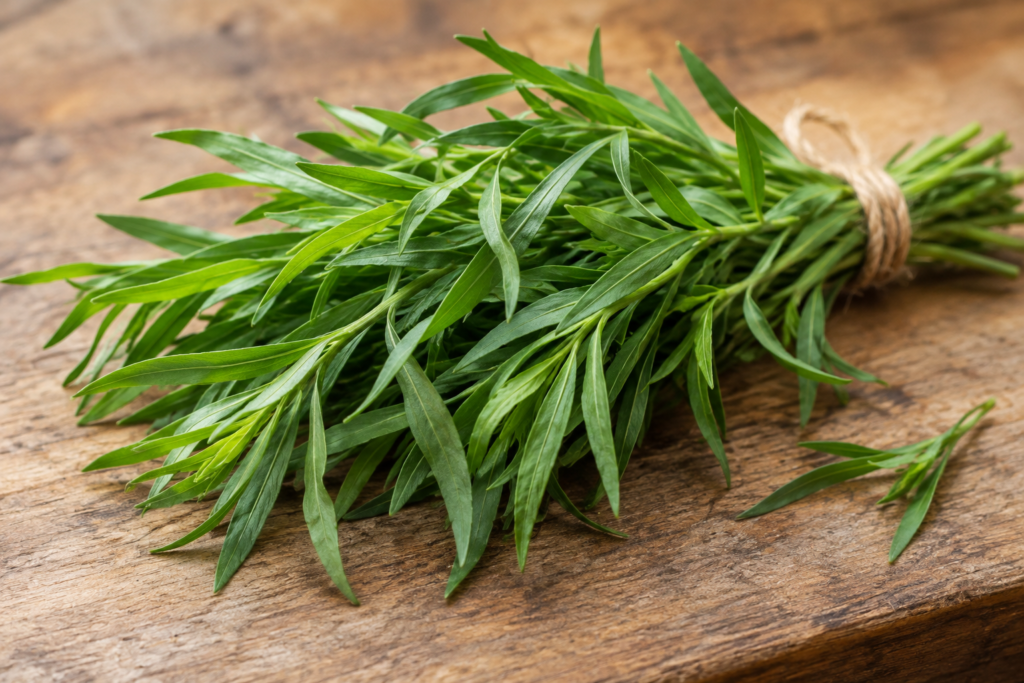
Tarragon is one of the most elegant common culinary herbs — with a distinctive anise flavor that is more refined and complex than dill or fennel. It is a cornerstone of French cuisine and is one of the four classic fines herbes alongside parsley, chervil, and chives. Also, like most delicate herbs, it is best used fresh and added toward the end of cooking.
Nutritional benefits: Tarragon is a source of vitamin A, vitamin C, and iron. It also contains antioxidants and has been studied for its potential to improve insulin sensitivity and support blood sugar regulation. Plus, it has traditionally been used to support appetite and digestion.
Best used in: Béarnaise sauce, chicken dishes, egg salads, creamy pasta sauces, salad dressings, and compound butters. Also wonderful with fish, veal, and asparagus. In French cooking, tarragon is a defining flavor in many classic sauces — and even a small amount adds a distinctly sophisticated quality to a dish.
Chamomile

Chamomile is one of the gentlest and most calming common culinary herbs — delicate, floral, and faintly apple-like in flavor. It is most widely known as a tea herb, but it also works beautifully in cooking. Also, its subtle sweetness pairs surprisingly well with honey, citrus, and cream-based desserts. So it is worth thinking of chamomile as more than just a bedtime drink.
Nutritional benefits: Chamomile is rich in antioxidants including apigenin, which has been studied for its calming and sleep-supporting properties. It also has anti-inflammatory effects and may help soothe digestive discomfort. Plus, it has mild antibacterial properties and supports immune health.
Best used in: Herbal teas, honey-glazed dishes, panna cotta, shortbread, and infused creams or custards. Also wonderful in cocktails, lemonade, and as a subtle flavor note in light cakes or muffins. Try steeping dried chamomile in warm cream before using it in a dessert sauce — the result is quietly extraordinary.
Marjoram

Marjoram is a close relative of oregano but with a sweeter, milder, and more delicate flavor. It has warm, slightly floral, woodsy notes that make it one of the most versatile common culinary herbs in Mediterranean and Middle Eastern cooking. Also, unlike oregano, marjoram loses its flavor quickly when cooked for too long. So it is best added toward the end of cooking.
Nutritional benefits: Marjoram is a good source of vitamin K, vitamin C, and iron. It also contains antioxidants and has been used traditionally to support digestion, reduce bloating, and relieve menstrual discomfort. Plus, it has antimicrobial properties and may help regulate the nervous system.
Best used in: Sausages, lamb, pork, chicken, soups, stews, and stuffing. Also wonderful in Mediterranean vegetable dishes, egg dishes, and herb butters. In German and Austrian cooking, marjoram is used extensively in sausages and potato dishes. It also pairs beautifully with carrots, lentils, and tomato-based sauces.
Lavender
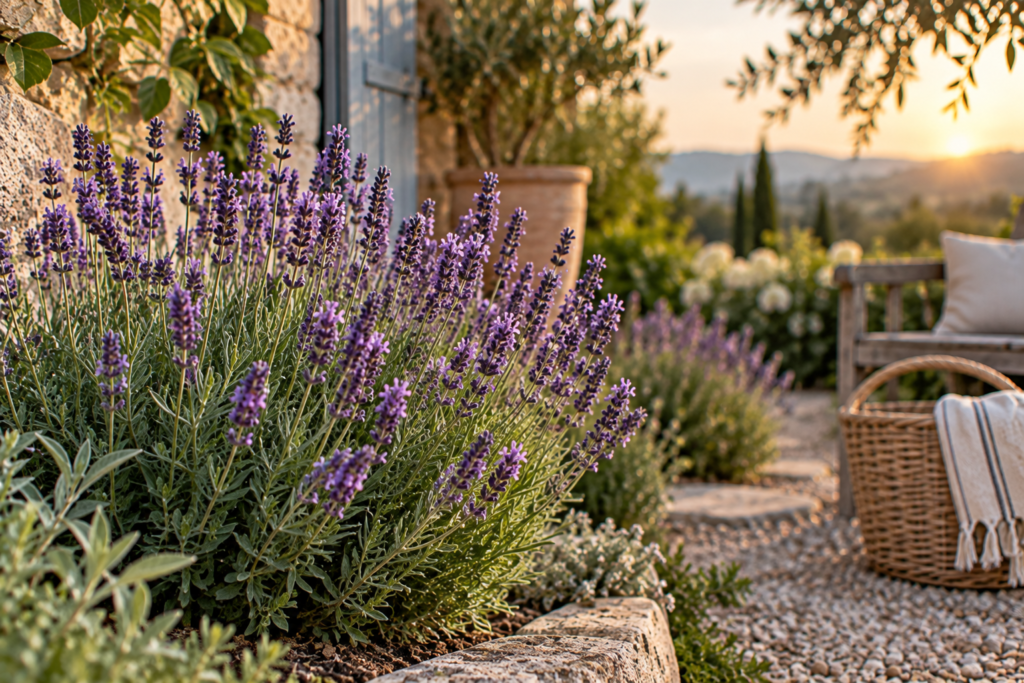
Lavender is one of the most distinctive common culinary herbs — intensely floral, slightly sweet, and with a hint of mint and rosemary. Used sparingly, it adds a sophisticated, almost perfumed quality to both sweet and savory dishes. But a little goes a very long way — too much and it tastes like soap. So restraint is key.
Nutritional benefits: Lavender contains antioxidants and has well-documented calming and anxiety-reducing properties. It also has anti-inflammatory and antimicrobial effects. Plus, it may support sleep quality and help relieve headaches and nervous tension.
Best used in: Shortbread, honey, lemonade, cream, panna cotta, and lavender-infused sugar. Also wonderful in Herbes de Provence spice blends, with roasted lamb, in salad dressings, and in cocktails. Always use culinary-grade dried lavender — not ornamental lavender, which may be treated with pesticides.
Fennel
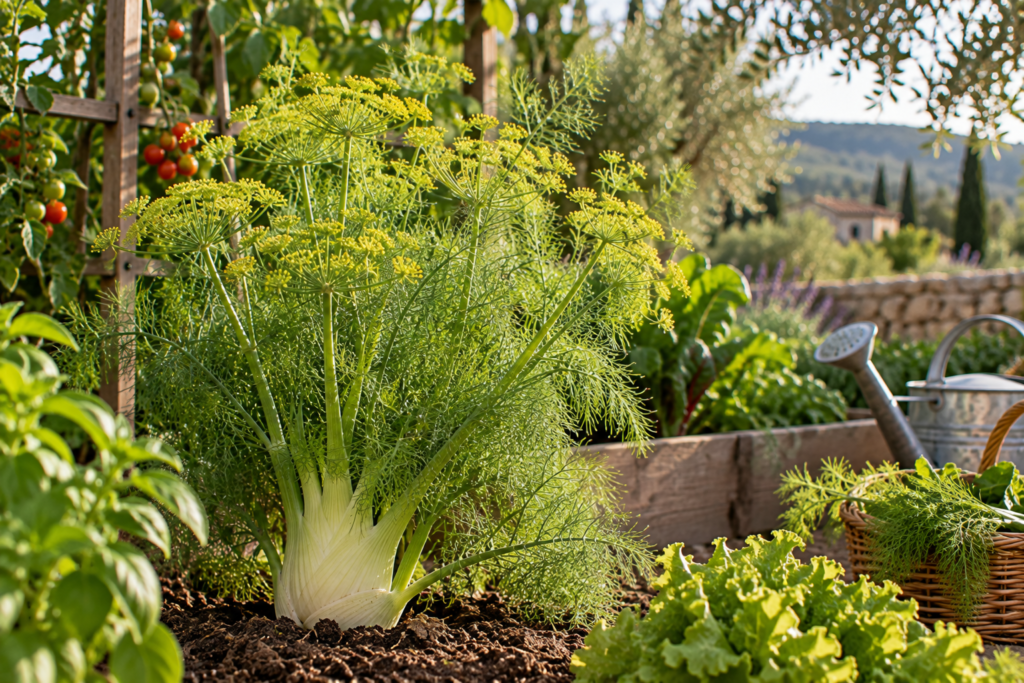
Fennel is one of the most aromatic common culinary herbs — with a distinctive, sweet anise flavor that is bold but never harsh. Both the fronds and the seeds are used in cooking, and they have slightly different intensities. Also, fennel has a natural affinity with fish and pork, and it is a cornerstone of Italian and Mediterranean cooking.
Nutritional benefits: Fennel fronds are a good source of vitamin C, vitamin A, and folate. They also contain antioxidants and have been used traditionally to support digestion, reduce bloating, and relieve colic. Plus, fennel has anti-inflammatory properties and may help regulate blood pressure.
Best used in: Fish dishes, pork, Italian sausage, pasta, salads, and roasted vegetables. Also wonderful in soups, risotto, and as a garnish for seafood. Fennel fronds work like dill as a finishing herb — chopped and scattered over a dish at the very end. The seeds are used in bread, spice rubs, and sausage making.
Tools That Make Working With Fresh Herbs So Much Easier
Fresh herbs are wonderful to cook with — but having the right tools makes the whole process faster, neater, and more enjoyable. So whether you are snipping chives over scrambled eggs or stripping rosemary from the stem, these are the pieces worth having in the kitchen.
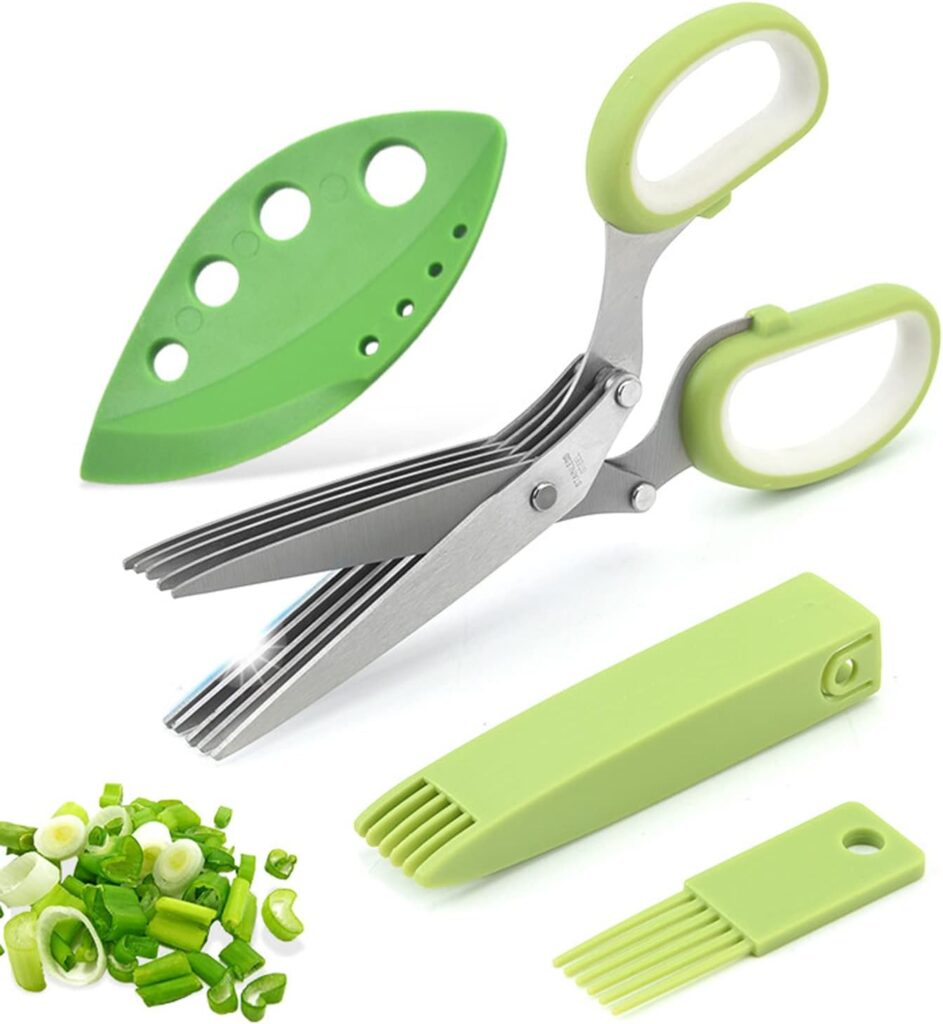
For cutting herbs quickly and finely, the Herb Scissors Set with 5 Blades and Cleaning Comb cuts herbs like cilantro, green onion, and lettuce in seconds — no chopping board needed. Also, the Kitchen Scissors Heavy Duty are titanium-coated, ambidextrous, and sharp enough for herbs, fish, chicken, and vegetables alike. And the Manual Herb Chopper with Stainless Steel Blades is a handheld rolling grinder — great for cilantro and parsley.
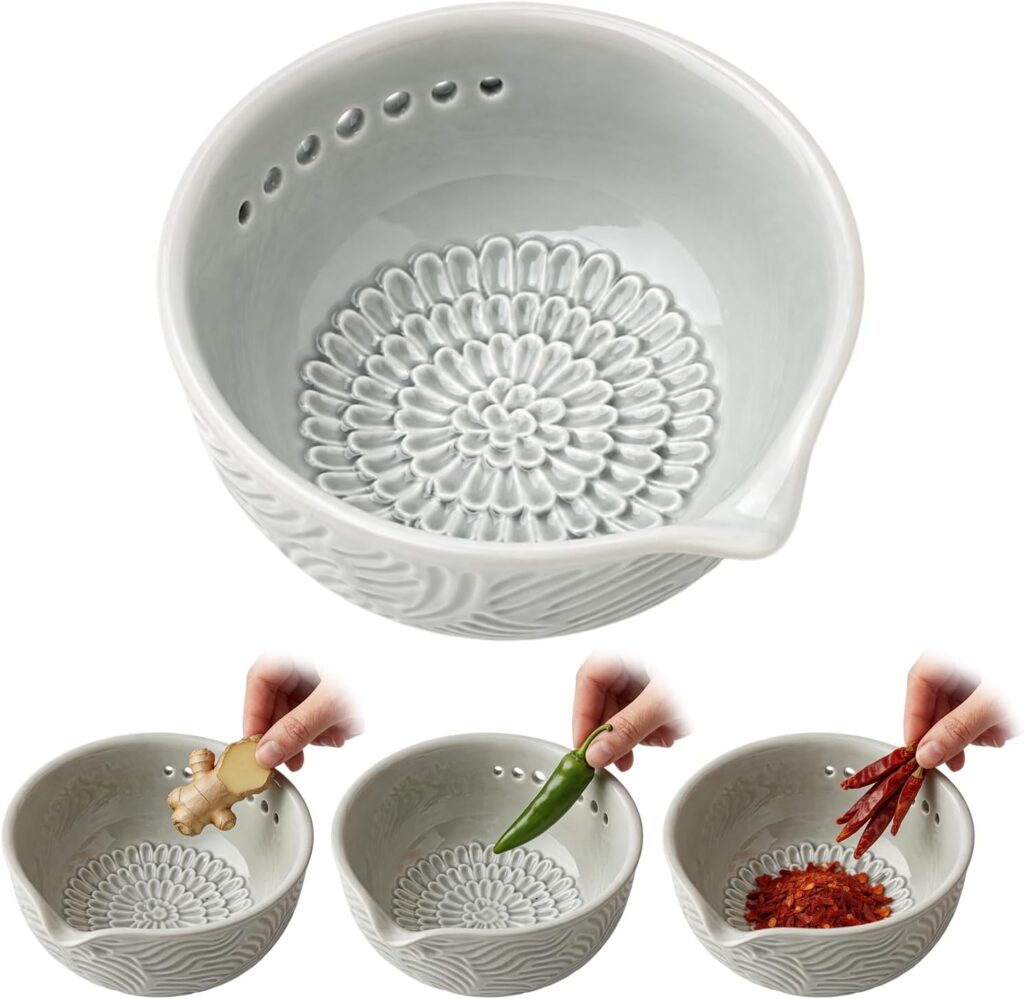
For stripping leaves from stems — which makes prep so much faster with thyme, rosemary, and basil — the Herb Stripper with Holes in Stainless Steel works beautifully on kale, collard greens, thyme, basil, and rosemary. The 3-in-1 Ceramic Herb Peeling Bowl is a handmade garlic grater bowl that also strips and grinds herbs — a lovely and multifunctional kitchen piece.
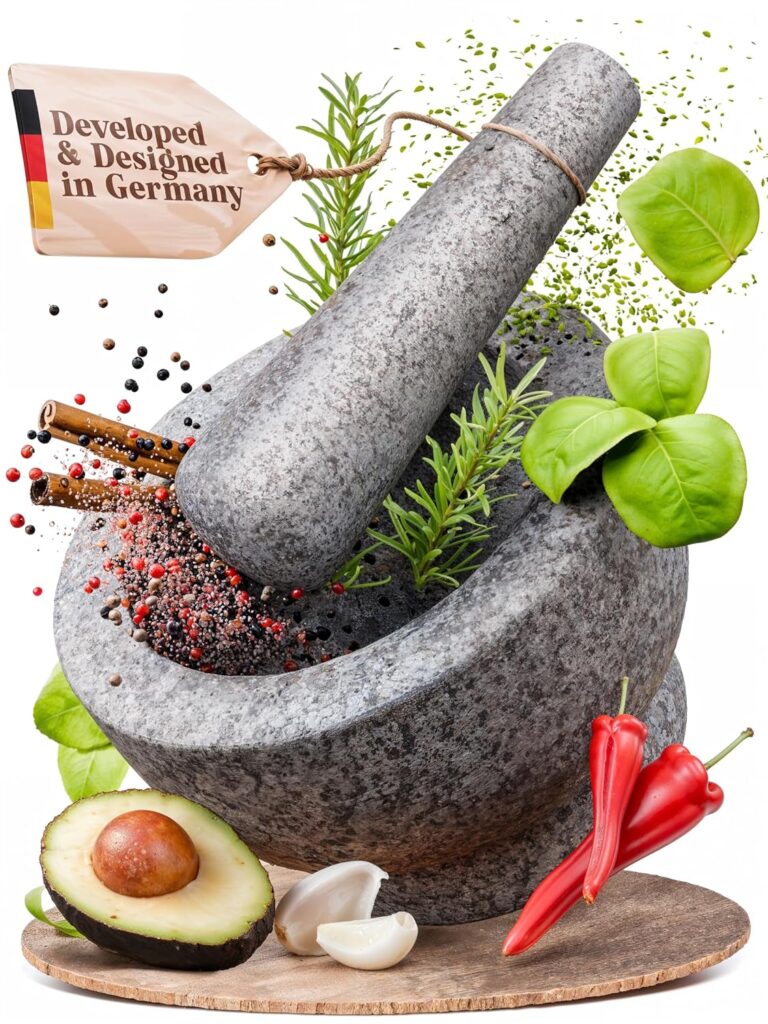
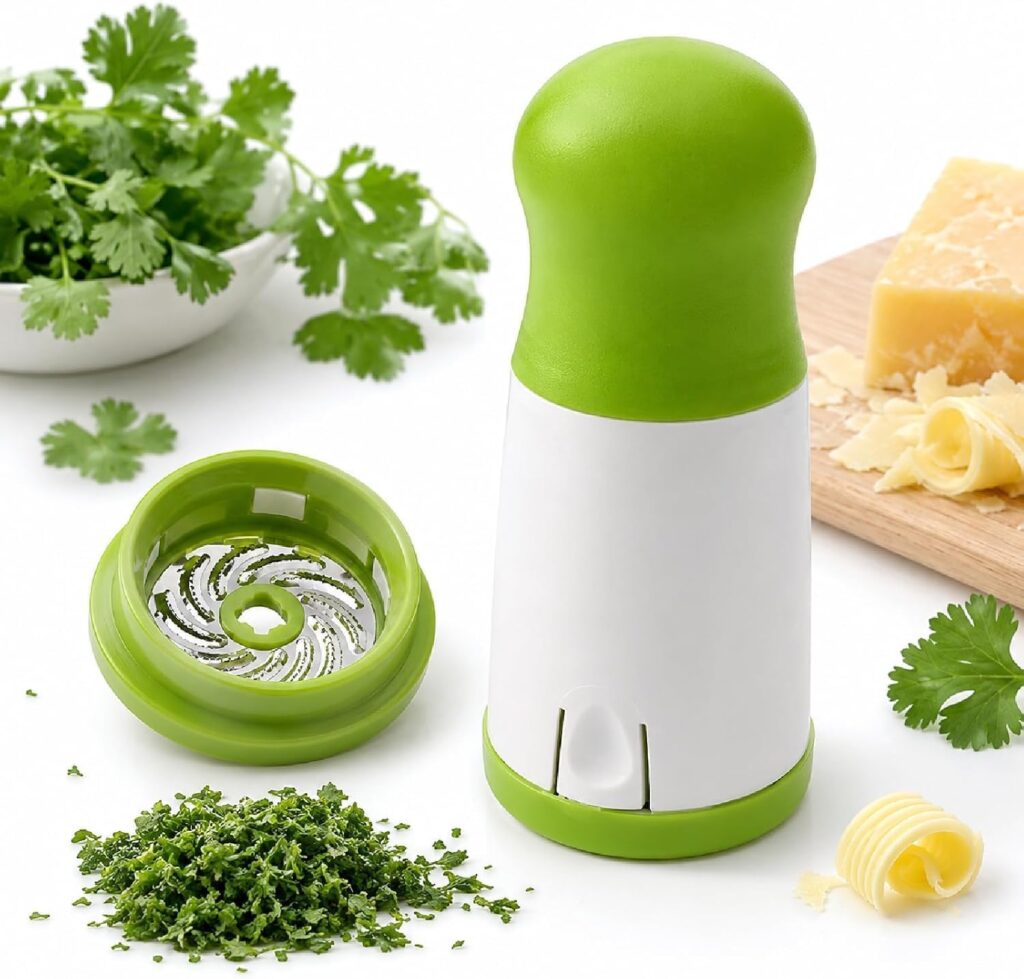
For grinding and crushing, a good mortar and pestle is irreplaceable. The ChefSofi Mortar and Pestle Set in Gray Granite 6 Inch is unpolished heavy natural granite — ideal for making pesto, crushing spices, and releasing herb oils. The E-liu Porcelain Mortar and Pestle Set with Lid has a non-slip base and works as a pill crusher, spice grinder, and herb bowl — also comes with a lid which is handy for storage.
And a Few More Things Worth Having
For washing and spinning herbs, the OXO Good Grips Small Salad and Herb Spinner has a one-handed pump, non-skid base, and is dishwasher safe — perfect for washing cilantro, parsley, mint, and lettuce quickly. And for drying herbs at home, the 4-Layer Hanging Herb Drying Rack is foldable, comes with S-hooks and pruning shears, and works indoors and outdoors.
For keeping fresh herbs alive longer in the fridge, the Herb Saver Pod for Refrigerator keeps cilantro, parsley, asparagus, and mint fresh for 2-3 weeks — a genuinely useful addition to any kitchen.
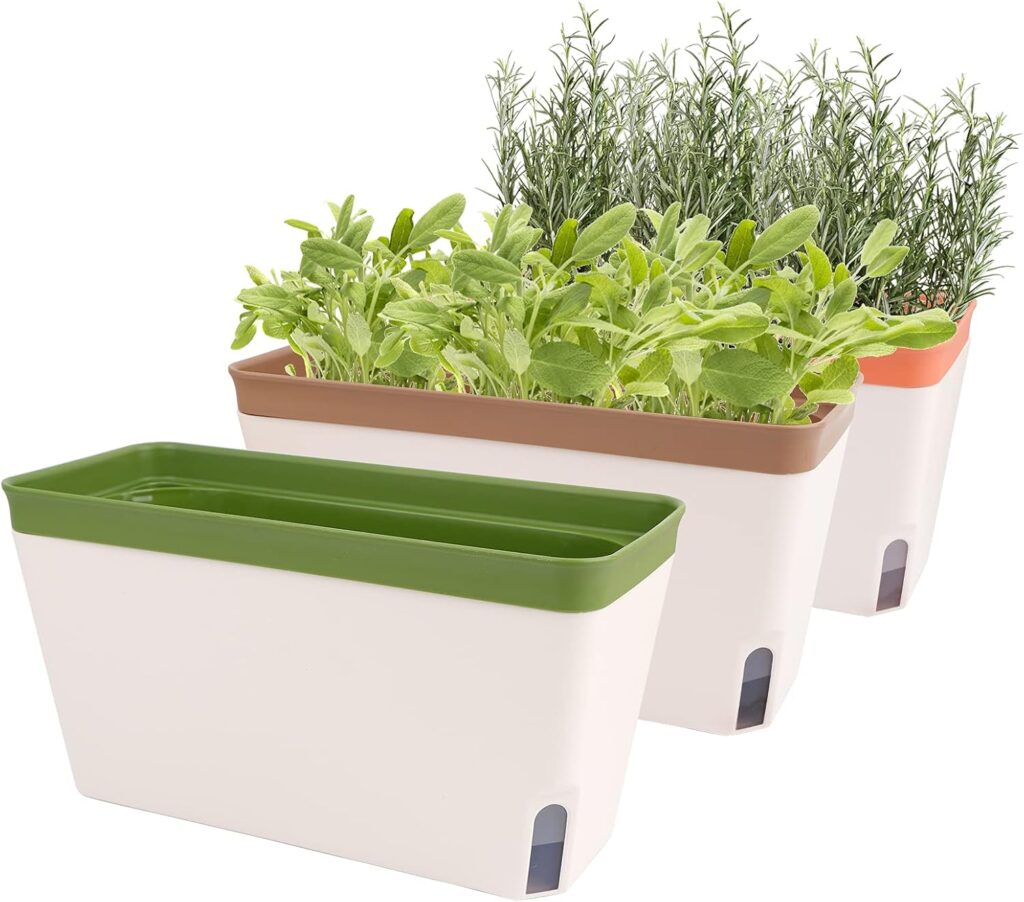
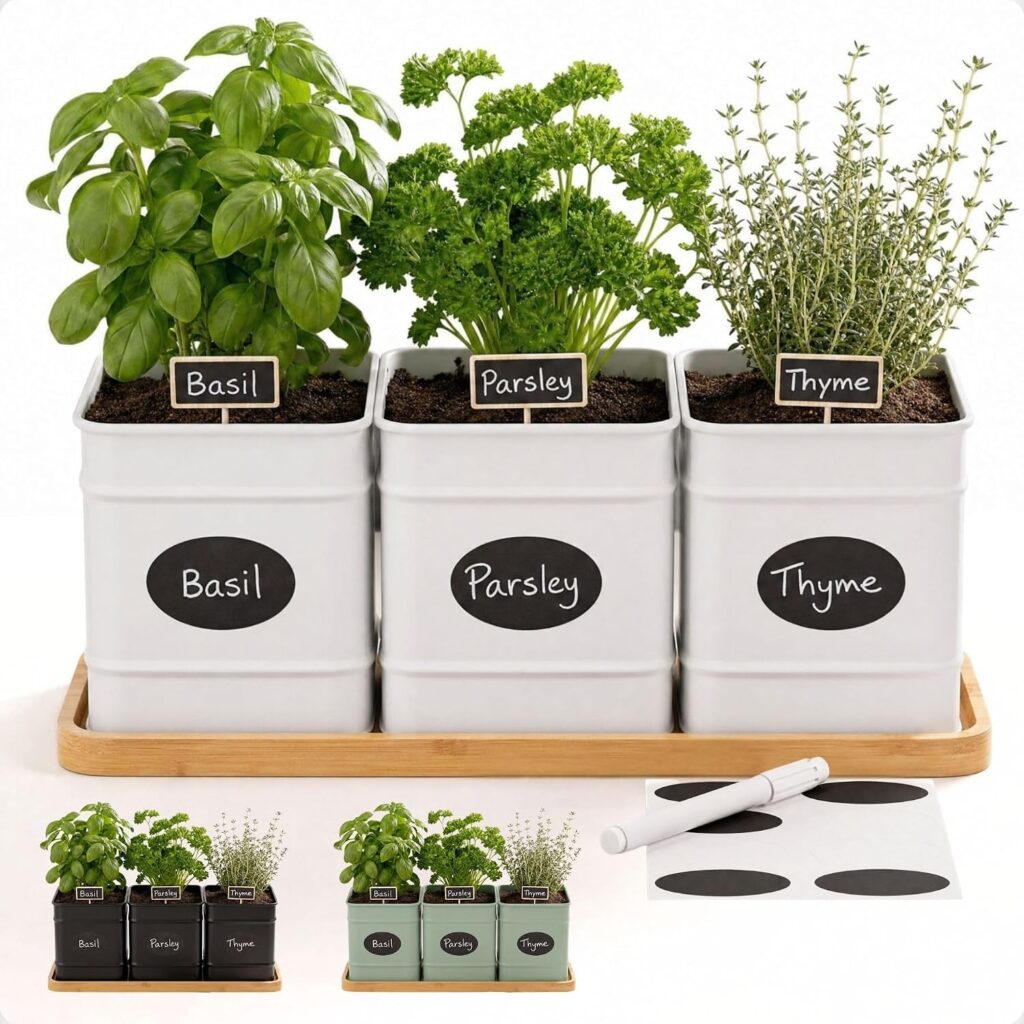


For growing herbs on a windowsill, the OurWarm Self Watering Herb Planter Box Set of 3 makes it easy to keep herbs alive even if you tend to forget watering. The D’vine Dev Plastic Herb Garden Planter Set in White has a sleek minimalist style with drainage holes and saucers. And the Herb Planter Indoor 3-Piece Set with Bamboo Tray and Labels includes iron pots, a varnished bamboo tray, and chalkboard marker labels — a beautiful and practical windowsill herb garden.
Want to Learn More?
For anyone who wants to go deeper into the world of herbs, the The Cook’s Herb Garden: Grow, Harvest, Cook is a comprehensive guide to growing and cooking with herbs. The Dr. Sebi Herbal Bible 4 Books in 1 covers natural healing herbs, alkaline diet, and non-toxic lifestyle. And for a more magical perspective, Cunningham’s Encyclopedia of Magical Herbs covers over 400 herbs and plants from around the world — expanded and revised with over 500,000 copies in print.
At a Glance — Common Culinary Herbs Compared
Sometimes you just need a quick reference. So here are both tables — one for flavor and cooking, one for nutrition — to help you find the right herb at a glance.
| Herb | Flavor Profile | Best Used In | Fresh or Dried? |
|---|---|---|---|
| Basil | Sweet, peppery, hints of clove and anise | Pasta, pizza, pesto, Caprese salad, tomato dishes | Fresh — add at the end |
| Parsley | Clean, mildly bitter, grassy | Tabbouleh, chimichurri, pasta, soups, seafood | Both — add at the end |
| Cilantro | Bright, citrusy, slightly pungent | Tacos, salsas, curries, pho, burrito bowls | Fresh — add at the end |
| Thyme | Earthy, woodsy, hints of mint and lemon | Roasts, soups, stews, stocks, potato dishes | Both — holds up to long cooking |
| Rosemary | Strong, piney, slightly bitter | Roasted lamb, chicken, potatoes, focaccia, marinades | Both — holds up to high heat |
| Mint | Cool, refreshing, slightly sweet | Lamb, tzatziki, salads, cocktails, desserts | Fresh — add at the end |
| Oregano | Bold, peppery, slightly bitter | Pizza, pasta sauce, Greek salad, marinades | Dried is stronger — use both |
| Sage | Earthy, savory, slightly musky | Brown butter pasta, gnocchi, pork, stuffing | Both — great fried in butter |
| Chives | Mild, gentle onion, slightly grassy | Baked potato, eggs, dips, soups, salads | Fresh only — add at the end |
| Dill | Anise-like, grassy, distinctive | Salmon, pickles, potato salad, tzatziki | Fresh — add at the end |
| Tarragon | Refined anise, complex, elegant | Béarnaise, chicken, egg salad, French sauces | Fresh — add at the end |
What’s Actually in Your Herbs?
It is easy to think of herbs as just flavoring — but the nutritional content is genuinely impressive. A small handful of parsley has more vitamin K than most vegetables, and oregano contains more antioxidants than many fruits. So adding fresh herbs to your meals is one of the simplest ways to boost the nutritional value of everyday cooking.
| Herb | Key Vitamins and Minerals | Main Health Benefits |
|---|---|---|
| Basil | Vitamin K, A, C, iron, calcium | Anti-inflammatory, antioxidant, supports heart health |
| Parsley | Vitamin K, C, A, folate, iron | Supports kidneys, bones, and immunity — natural diuretic |
| Cilantro | Vitamin K, C, A, folate | Antimicrobial, supports digestion, helps remove heavy metals |
| Thyme | Vitamin C, A, iron, manganese, calcium | Antimicrobial, supports respiratory health, antifungal |
| Rosemary | Iron, calcium, vitamin B6 | Anti-inflammatory, supports brain function and circulation |
| Mint | Vitamin A, antioxidants | Soothes digestion, relieves bloating, antibacterial |
| Oregano | Vitamin K, iron, manganese, calcium | Very high in antioxidants, antimicrobial, supports immunity |
| Sage | Vitamin K, B6, antioxidants | Supports memory, blood sugar regulation, antimicrobial |
| Chives | Vitamin K, C, folate, choline | Supports heart health, brain health, and eye health |
| Dill | Vitamin C, A, manganese | Supports digestion, antimicrobial, may regulate blood sugar |
| Tarragon | Vitamin A, C, iron | Supports blood sugar regulation, digestion, and appetite |
A Few Tips for Getting the Most From Fresh Herbs
Fresh and dried herbs behave very differently in cooking. So knowing when to use each one makes a real difference to the result. Robust herbs like rosemary, thyme, oregano, and sage hold up well to heat and can be added early in the cooking process. Delicate herbs like basil, parsley, cilantro, mint, dill, chives, and tarragon should always be added at the very end — or used raw — to preserve their flavor and color.
Also, when substituting dried herbs for fresh, use about one third of the amount. Dried herbs are more concentrated in flavor. And for the best result with fresh herbs, always chop them just before using — the moment the cell walls are broken, the aromatic compounds begin to dissipate.
And if you are curious about growing your own, this guide to herbs to plant in spring covers everything you need to know to get started — from windowsill pots to balcony planters.
Ready to Cook?
Common culinary herbs are one of the simplest and most rewarding ways to elevate everyday cooking. So whether you start by adding fresh basil to a pasta, stirring chives into scrambled eggs, or making a rosemary-roasted chicken — the difference is immediate and noticeable. Pick two or three herbs that appear most often in the food you already cook. Then go from there.
Leave a Reply